
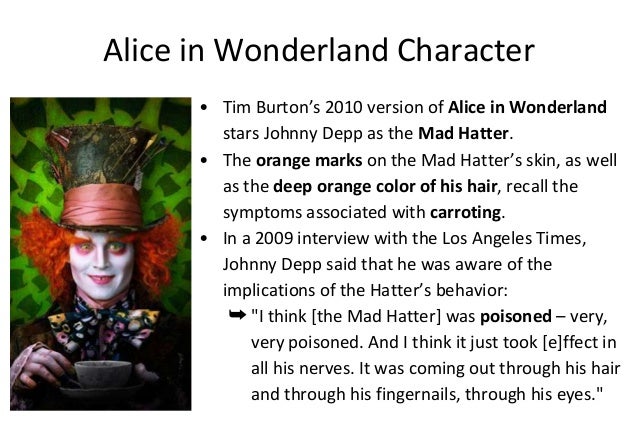
Mad Hatter Syndrome, also known as Mercury Poisoning, is a rare condition caused by exposure to high levels of mercury. Mercury is a toxic metal that can be found in various products such as batteries, thermometers, and light bulbs. When mercury is inhaled or ingested, it can accumulate in the body and cause a range of symptoms. In this article, we will discuss the symptoms of Mad Hatter Syndrome in detail.
What are the Early Symptoms of Mad Hatter Syndrome?

The early symptoms of Mad Hatter Syndrome are usually mild and nonspecific, which makes it difficult to diagnose the condition. The most common early symptom is a headache, which can range from mild to severe. Other early symptoms may include:
- Fatigue
- Loss of appetite
- Muscle weakness
- Tremors
- Numbness or tingling in the hands, feet, or around the mouth
What are the Advanced Symptoms of Mad Hatter Syndrome?

If Mad Hatter Syndrome is left untreated, the symptoms can progress and become more severe. Advanced symptoms of the condition may include:
- Memory loss
- Difficulty concentrating
- Personality changes
- Depression
- Anxiety
- Insomnia
- Hallucinations
- Irritability
- Paranoia
What are the Physical Symptoms of Mad Hatter Syndrome?

Mad Hatter Syndrome can also cause physical symptoms in addition to neurological symptoms. The physical symptoms of the condition may include:
- Tremors
- Numbness or tingling in the hands, feet, or around the mouth
- Loss of coordination
- Blurred vision
- Hearing loss
- Difficulty speaking or swallowing
- Kidney damage
Who is at Risk for Mad Hatter Syndrome?

Mad Hatter Syndrome is most commonly associated with occupational exposure to mercury. People who work in industries such as mining, dental work, and manufacturing are at a higher risk of developing the condition. Other people who may be at risk include:
- People who consume large amounts of fish or shellfish contaminated with mercury
- People who use certain traditional medicines or cosmetics that contain mercury
- People who live near industrial sites that release mercury into the environment
How is Mad Hatter Syndrome Diagnosed?
Mad Hatter Syndrome can be difficult to diagnose because the symptoms are nonspecific and can be caused by other conditions. The diagnosis is usually based on a combination of the patient's symptoms, medical history, and blood or urine tests that measure the level of mercury in the body. Imaging tests such as MRI or CT scans may also be used to evaluate the extent of neurological damage.
How is Mad Hatter Syndrome Treated?

The treatment for Mad Hatter Syndrome depends on the severity of the symptoms and the level of mercury in the body. In mild cases, the symptoms may improve on their own once the source of mercury exposure is removed. In more severe cases, treatments such as chelation therapy or medication to reduce symptoms may be necessary.
How can Mad Hatter Syndrome be Prevented?

The best way to prevent Mad Hatter Syndrome is to avoid exposure to mercury. This can be done by:
- Using mercury-free products whenever possible
- Properly disposing of products that contain mercury
- Following safety guidelines in industries that use mercury
- Eating a balanced diet that includes fish with low levels of mercury
Conclusion
Mad Hatter Syndrome is a rare condition caused by exposure to high levels of mercury. The symptoms of the condition can be mild or severe and can affect both neurological and physical functions. The best way to prevent Mad Hatter Syndrome is to avoid exposure to mercury. If you suspect that you may have been exposed to mercury, it is important to seek medical attention immediately.