The letter C is the third letter of the English alphabet, following A and B. It is also the first letter of many important words like cat, car, and computer. But where did this letter come from? Let's explore the origin of the letter C.
The Phoenician Alphabet

The earliest known alphabet was created by the Phoenicians, who lived in what is now Lebanon and Syria around 1200 BCE. Their alphabet consisted of 22 consonants, including a letter called gimel which represented the sound "g". This letter eventually evolved into the letter C.
The Greek Alphabet

The Greeks adopted the Phoenician alphabet, but they added vowels to it, creating the first true alphabet. They also changed some of the letters, including gimel, which became gamma and represented the sound "g".
The Latin Alphabet
The Romans adopted the Greek alphabet, but they made some changes to it as well. They added new letters, including C, which they took from the Etruscan alphabet. The Etruscans were an ancient Italian civilization that the Romans conquered, and they had a letter called "kappa" which represented the sound "k". The Romans used this letter for the sound "k" as well as the sound "g". Eventually, they split it into two letters, C and G.
The Sound Of C

The sound of C has changed over time. In ancient Greek, it represented a "k" sound. In Latin, it represented both a "k" and a "g" sound. In modern English, it represents several different sounds, depending on the word. In words like cat and car, it represents a hard "k" sound. In words like city and cent, it represents an "s" sound. And in words like ocean and special, it represents a "sh" sound.
The Letter C In English

The letter C is an important letter in the English language. It is used in many common words, including car, can, come, and call. It is also used in many scientific and technical terms, such as carbon, calcium, and computer. In addition, it is used in many foreign words that have been adopted into English, such as cappuccino, chili, and croissant.
The Future Of The Letter C
As the English language continues to evolve, the role of the letter C may change. Some linguists predict that it may become less important, as the sounds it represents are already represented by other letters, such as K and S. Others argue that it will remain a vital part of the English alphabet, as it is deeply ingrained in the language and culture.
Conclusion
The origin of the letter C is a fascinating story that spans thousands of years and multiple civilizations. From the Phoenicians to the Greeks to the Romans, this letter has undergone many changes and transformations. Today, it remains an important part of the English alphabet and the language as a whole.
Related video of Origin Of The Letter C

The nursery rhyme Ring Around The Rosie is a popular children's song that has been a part of many cultures for generations. The song is often sung in a circle while children hold hands and dance around. The song has a dark history that many people are unaware of. In this article, we will explore the origins of the nursery rhyme Ring Around The Rosie.
The Lyrics Of Ring Around The Rosie

The lyrics of Ring Around The Rosie are simple and catchy:
Ring around the rosie
A pocketful of posies
Ashes, ashes
We all fall down
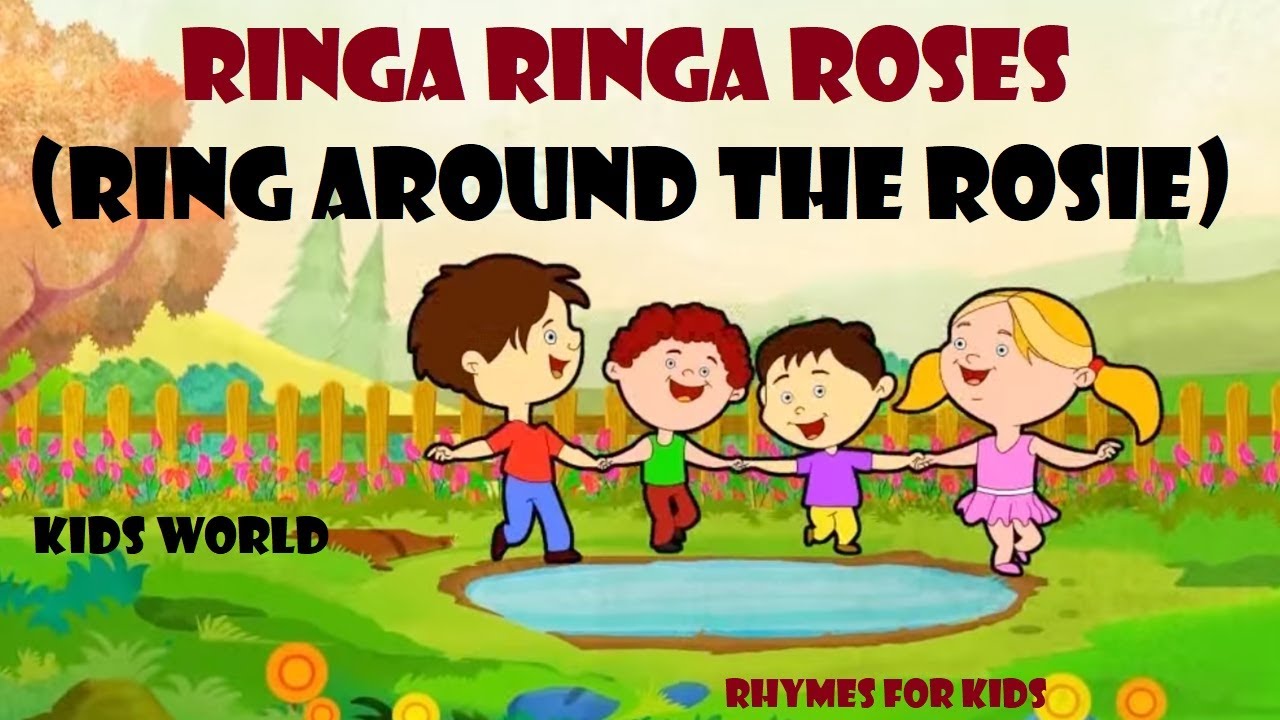
The song is usually accompanied by hand gestures, with the children holding hands and spinning around in a circle while singing the lyrics.
The Origin Of The Lyrics
The origin of the lyrics of Ring Around The Rosie is not entirely clear. There are several theories about the origins of the song, but none of them have been definitively proven.
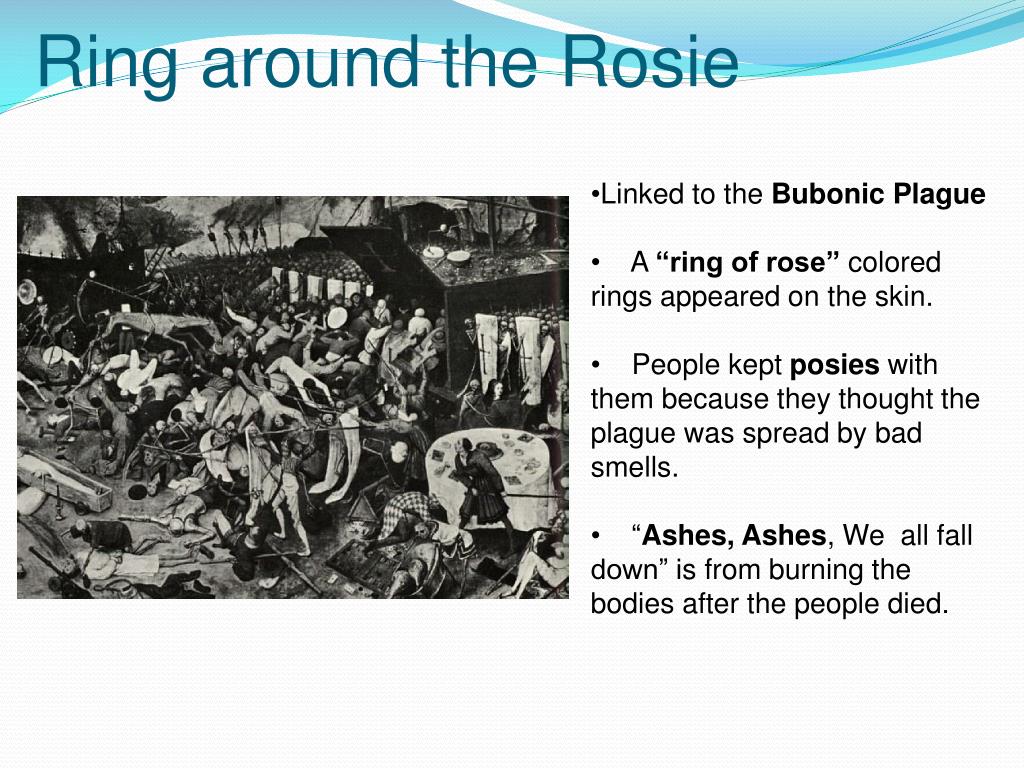
One theory is that the song is about the Black Death, a plague that swept through Europe in the 14th century. The "ring around the rosie" referred to the rash that appeared on the skin of those infected with the plague. The "pocketful of posies" referred to the practice of carrying flowers or herbs to ward off the smell of the decaying bodies. The "ashes, ashes" referred to the cremation of the dead. "We all fall down" referred to the high mortality rate of the plague.
Another theory is that the song is about the Great Fire of London in 1666. The "ring around the rosie" referred to the ring of fire that surrounded the city. The "pocketful of posies" referred to the practice of carrying flowers or herbs to ward off the smell of the smoke. The "ashes, ashes" referred to the destruction caused by the fire. "We all fall down" referred to the collapse of the buildings.
The Evolution Of The Song

The nursery rhyme Ring Around The Rosie has evolved over time. The original lyrics of the song have been lost, and the version that is commonly sung today is a variation of the original. The hand gestures that accompany the song have also changed over time.
The song has been translated into many different languages and has been adapted to fit different cultures. In some cultures, the song is sung while children play a game of tag. In other cultures, the song is sung while children jump rope.
The Legacy Of The Nursery Rhyme

Despite its dark origins, the nursery rhyme Ring Around The Rosie has become a beloved children's song. The song has been featured in many movies and television shows, and has been referenced in popular culture.
The song has also been the subject of controversy. Some people believe that the song should not be sung because of its dark history. Others argue that the song has been transformed over time and is now a harmless children's song.
Conclusion
The nursery rhyme Ring Around The Rosie has a complex history that has been the subject of much debate. While the origins of the song are not entirely clear, it is clear that the song has evolved over time and has become a beloved children's song. Whether or not the song should be sung is a matter of personal preference, but there is no denying the impact that the song has had on popular culture.
Related video of Origin Of Nursery Rhyme Ring Around The Rosie
Male circumcision is a surgical procedure that involves the removal of the foreskin of the penis. It is a practice that has been around for centuries and has been performed for different reasons in various cultures. The origin of male circumcision is a subject that has been debated by historians and researchers for many years. However, there are several theories about the origin of male circumcision.
The Egyptian Theory

One theory suggests that male circumcision originated in ancient Egypt. It was practiced as a religious ritual and was believed to have a hygienic purpose. Egyptians saw the foreskin as a source of dirt and bacteria, and they believed that removing it would prevent infections and diseases. They also believed that circumcision was a way to purify the body and prepare it for the afterlife.
The Jewish Theory

Another theory suggests that male circumcision originated in ancient Jewish culture. It was practiced as a religious ritual and was believed to be a symbol of the covenant between God and Abraham. According to the Jewish tradition, God commanded Abraham to circumcise himself and all his male descendants as a sign of their obedience and loyalty. Jews have been practicing circumcision for over 4,000 years.
The African Theory

Another theory suggests that male circumcision originated in Africa. It was practiced as a rite of passage among many African tribes. Boys were circumcised as they transitioned from adolescence to adulthood. Circumcision was believed to symbolize strength, courage, and maturity. It was also believed to enhance sexual pleasure and prevent sexually transmitted infections.
The Greek Theory

Another theory suggests that male circumcision originated in ancient Greece. It was practiced as a medical procedure and was believed to prevent diseases and improve hygiene. Greeks saw the foreskin as a sign of barbarism and considered circumcision a mark of civilization. They also believed that circumcision would enhance sexual pleasure and prevent premature ejaculation.
The Medical Theory

Another theory suggests that male circumcision originated as a medical procedure. It was believed to prevent and treat various medical conditions such as phimosis, balanoposthitis, and penile cancer. It was also believed to reduce the risk of urinary tract infections and sexually transmitted infections. Today, circumcision is still practiced as a medical procedure for various reasons.
The Modern Theory

Today, male circumcision is practiced for different reasons in different cultures. In some cultures, it is still practiced as a religious ritual, while in others, it is practiced as a medical procedure. Some parents choose to circumcise their newborn sons for personal or cultural reasons. However, the practice of male circumcision is also controversial and has been the subject of debate among medical professionals and human rights activists.
Conclusion
The origin of male circumcision is a subject that has been debated for centuries. There are several theories about its origin, including the Egyptian theory, the Jewish theory, the African theory, the Greek theory, and the medical theory. Today, circumcision is still practiced for different reasons in different cultures. However, it is also a controversial practice that has been the subject of debate and discussion among medical professionals and human rights activists.
Related video of Origin of Male Circumcision

The phrase "dressed to the nines" is a common expression used to describe someone who is dressed very elegantly or smartly. But where did this phrase come from? Let's explore the origin of this popular idiom.
Theories about the Origin

There are several theories about the origin of the phrase "dressed to the nines." One theory is that the phrase comes from the Scottish phrase "dressed to the eyne," which means dressed to the eyes. Another theory is that it comes from the fact that a traditional Scottish kilt uses nine yards of fabric.
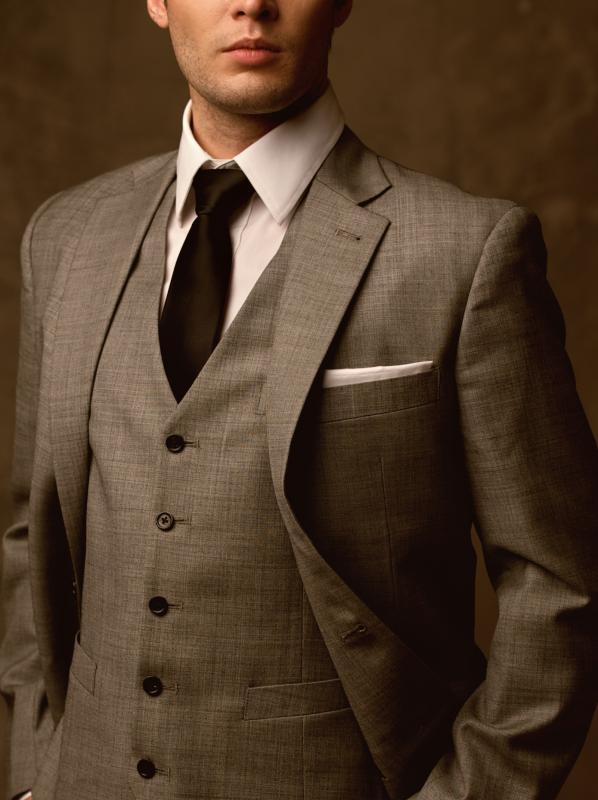
Yet another theory is that the phrase comes from the idea that a suit of clothes has nine elements, including a jacket, pants, vest, shirt, tie, socks, shoes, pocket square, and cufflinks. Therefore, someone who is dressed "to the nines" is wearing all nine elements perfectly.
Usage of the Phrase

The phrase "dressed to the nines" has been in use for centuries. It was first recorded in the late 18th century and has been used in literature, music, and everyday conversation ever since. It is still a popular phrase today, used to describe someone who is dressed in their finest clothes.
One example of the phrase being used in literature is in the novel "The Pickwick Papers" by Charles Dickens. In the book, a character named Mr. Winkle is described as being "dressed out to the nines" for a ball.
Variations of the Phrase
There are several variations of the phrase "dressed to the nines" that are used in different parts of the world. For example, in Australia, the phrase "dressed to the teeth" is used instead. In Scotland, the phrase "dressed up to the mark" is used.
Another variation of the phrase is "dressed to kill," which is used to describe someone who is dressed in a way that is intended to impress or attract attention. However, this phrase has a more negative connotation than "dressed to the nines."
Conclusion

The phrase "dressed to the nines" has an interesting origin and has been in use for centuries. It is a popular expression used to describe someone who is dressed elegantly or smartly. While there are several theories about the origin of the phrase, it is still a mystery as to where it truly came from. Nevertheless, it remains a beloved idiom in the English language.
Related video of Origin of Dressed to the Nines Expression
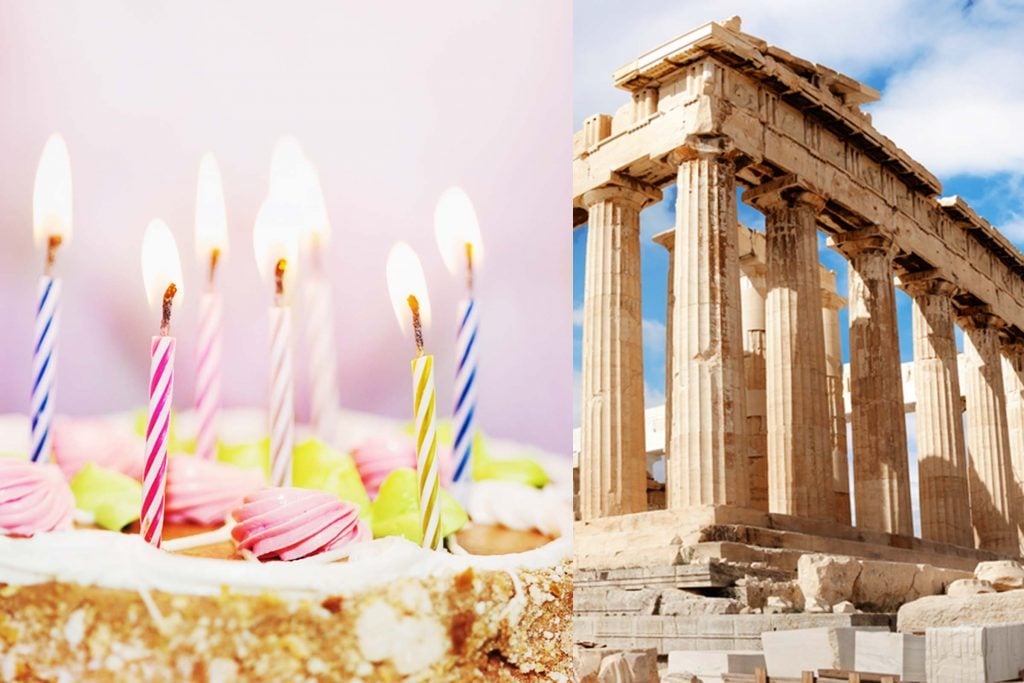
Birthdays are special occasions that people celebrate with their loved ones. One of the most important parts of a birthday celebration is the birthday cake. Have you ever wondered how this tradition of birthday cakes started? Let's take a look at the origin of birthday cakes.
The Ancient Greeks
The tradition of birthday cakes can be traced back to the ancient Greeks. They would bake round cakes to celebrate the birthdays of their gods and goddesses. The cakes were decorated with candles, which represented the glowing moon. They believed that the smoke from the candles would carry their prayers to the gods.
The Romans

The Romans also celebrated birthdays with cakes, but their cakes were not sweet like the ones we have today. They were more like bread, and they were often made with nuts and honey. The candles on their cakes were also used for religious purposes, and they believed that the smoke from the candles would ward off evil spirits.
The Middle Ages

During the Middle Ages, birthday celebrations were reserved for royalty and the wealthy. They would have elaborate feasts, and the centerpiece of the feast was a cake. These cakes were often large and were decorated with elaborate designs and sugar sculptures. The candles on the cake represented the person's age, and they would blow out the candles and make a wish for the coming year.
The Industrial Revolution

The Industrial Revolution brought about many changes, including the way we celebrate birthdays. With the invention of the baking powder, cakes became lighter and fluffier. They were also easier to make, and people could bake them at home. The birthday cake became a symbol of home and family, and it was a way to celebrate with loved ones.
The Modern Day

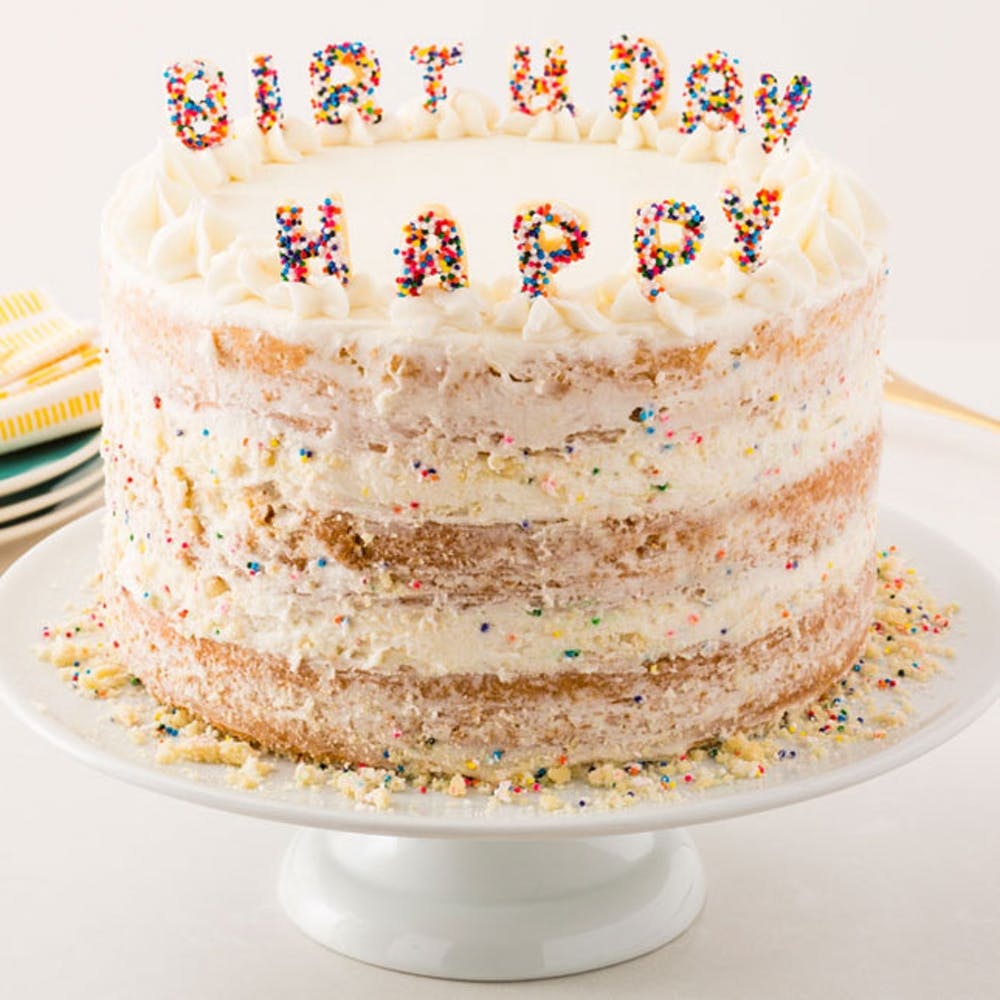
Today, birthday cakes come in all shapes and sizes. They can be decorated with frosting, fondant, and edible decorations. The candles on the cake still represent the person's age, and they still make a wish before blowing out the candles. Birthday cakes are a way to celebrate life, love, and family, and they are a tradition that will continue for many years to come.
Conclusion
The tradition of birthday cakes has a long and rich history. From the ancient Greeks to the modern day, birthday cakes have been a way to celebrate life and love. Whether you prefer a simple cake or an elaborate one, the birthday cake will always hold a special place in our hearts.
Related video of Origin Of Birthday Cake

The Order of the Garter is an elite and prestigious order of chivalry in England, founded in the 14th century. It is considered the oldest order of chivalry in the country and is still active today. This article will delve into the history, traditions, and significance of this illustrious order.
The Origins of the Order of the Garter

The Order of the Garter was founded by King Edward III of England in 1348, during the Hundred Years' War with France. The story goes that during a ball, the Countess of Salisbury lost her garter, and King Edward III picked it up and placed it on his own leg, saying, “Honi soit qui mal y pense,” meaning “shame on him who thinks evil of it.” This phrase became the motto of the Order.
Edward III founded the Order of the Garter to honor the knights who had fought with him in battle. It was named after the garter that he had picked up, and it is believed that he chose the blue and white colors of the garter as the official colors of the order.
The Members of the Order
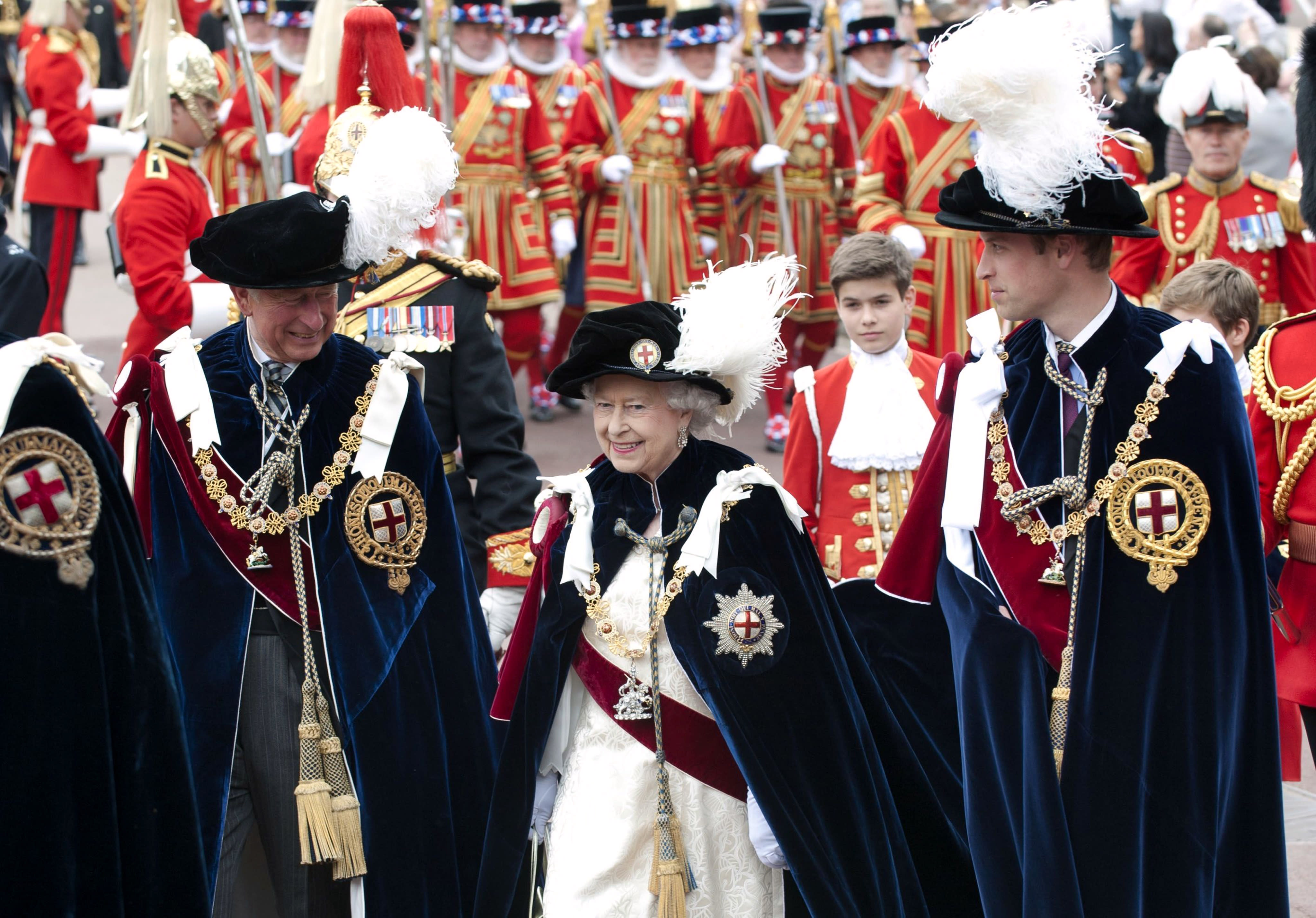
Today, the Order of the Garter is limited to 24 members, plus the reigning monarch and Prince of Wales. The members are chosen by the monarch, and they are typically members of the royal family, foreign monarchs, and individuals who have made significant contributions to society. The current members include Queen Elizabeth II, Prince Charles, and various other members of the royal family, as well as former Prime Ministers and prominent individuals in the arts, sciences, and public service.
The Insignia of the Order

The insignia of the Order of the Garter includes the garter itself, a collar, and a badge. The garter is a blue ribbon with the motto “Honi soit qui mal y pense” embroidered in gold. The collar is made of gold and weighs over a kilogram. The badge is a St. George's cross with a gold garter in the center, surrounded by a blue enamel ring with the motto on it. The insignia is worn by members of the Order on formal occasions.
The Ceremonies of the Order

The Order of the Garter has several ceremonies and traditions that have been upheld for centuries. The most important ceremony is the annual Garter Day, which takes place in June at Windsor Castle. The members of the Order, dressed in their ceremonial robes and insignia, process to St. George's Chapel for a service, followed by a lunch hosted by the Queen.
Another important ceremony is the installation of new members, which takes place in St. George's Chapel. During the ceremony, the new member kneels before the monarch, who places the collar of the Order around their neck and presents them with the insignia of the Order.
The Significance of the Order
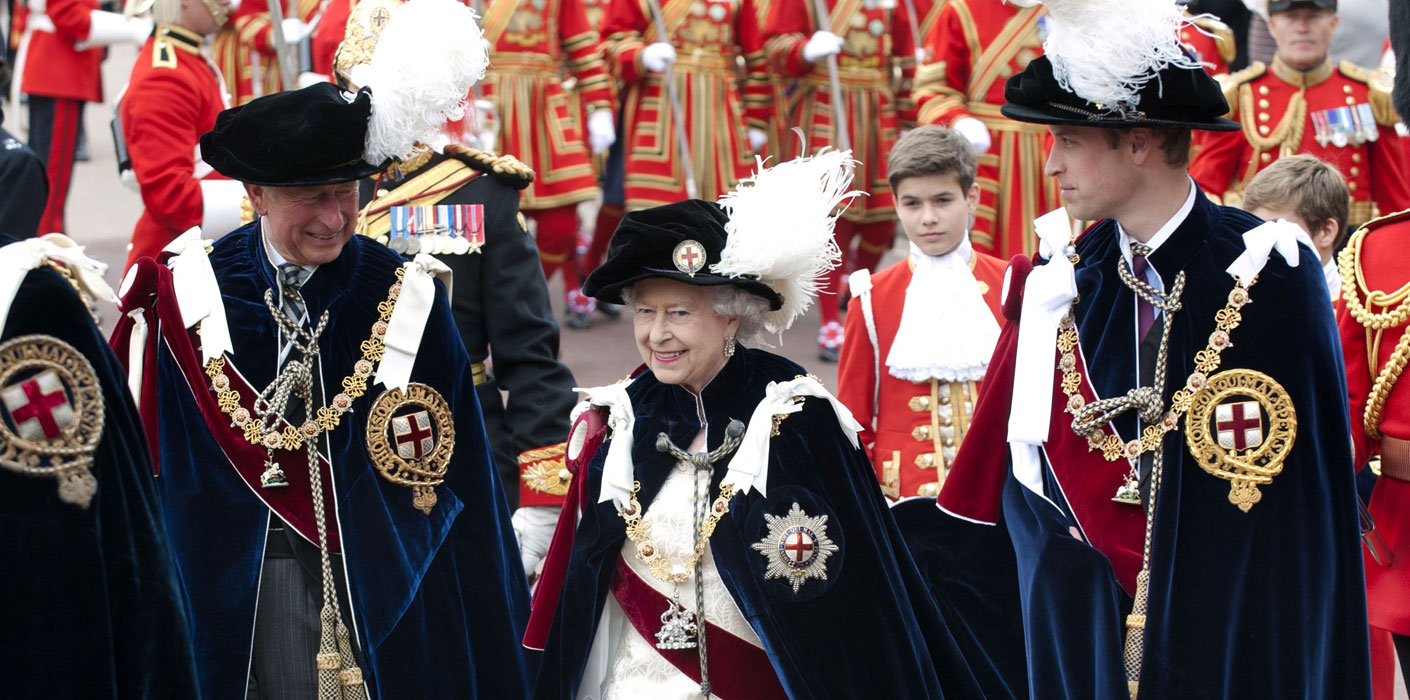
The Order of the Garter is considered one of the highest honors that can be bestowed upon an individual in England. It is a symbol of loyalty and service to the monarch and the country. The members of the Order are expected to uphold the highest standards of honor, chivalry, and public service.
The Order has played an important role in English history, and many of its members have been influential figures in politics, the military, and the arts. It has also inspired similar orders of chivalry in other countries, such as the Order of the Golden Fleece in Spain and the Order of the Elephant in Denmark.
In Conclusion
The Order of the Garter is a fascinating institution that has played an important role in English history for over 600 years. Its traditions, ceremonies, and insignia are steeped in symbolism and meaning, and its members have included some of the most influential figures in English society. It is a testament to the enduring power of chivalry and honor, and it continues to inspire and captivate people around the world.
Related video of Order of the Garter: England’s Oldest Order of Chivalry
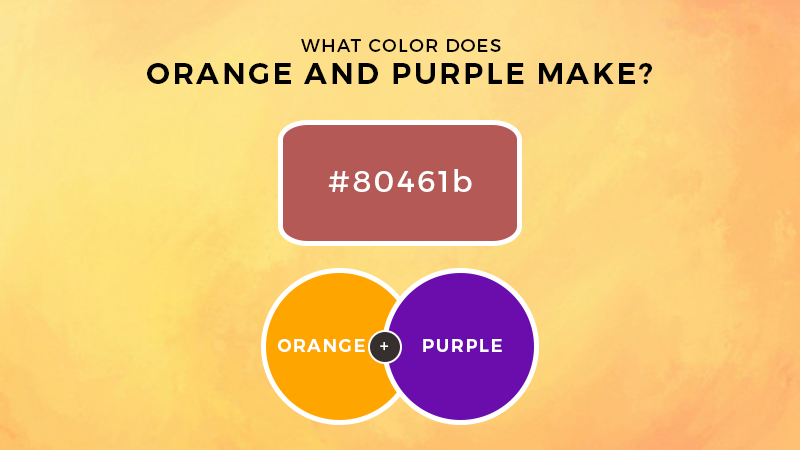
The Color Combination of Orange and Purple
Orange and purple are two bright and bold colors that when combined together, create a striking and unique color combination. This color combination is often used in fashion, home decor, and graphic design to create a bold and energetic look.

Meaning of Orange and Purple
Orange is a warm and vibrant color that is associated with energy, excitement, and enthusiasm. It is often used to represent creativity, success, and ambition. Purple, on the other hand, is a cool and calming color that is associated with luxury, royalty, and spirituality. It is often used to represent creativity, wisdom, and mystery.

Using Orange and Purple in Fashion
Orange and purple can be a great color combination to use in fashion. It is a bold and energetic look that can be used in many different ways. For example, you could wear a purple dress with orange accessories or a orange blouse with a purple skirt. You could also mix and match orange and purple prints to create a fun and playful look.

Using Orange and Purple in Home Decor
Orange and purple can also be used in home decor to create a bold and energetic look. It is a great color combination to use in a living room or bedroom. For example, you could use orange and purple pillows on a white couch or paint an accent wall purple and use orange accessories to create a pop of color. You could also use orange and purple artwork to add a bold and unique touch to any room.

Using Orange and Purple in Graphic Design
Orange and purple can also be used in graphic design to create a bold and eye-catching look. It is a great color combination to use in logos, advertisements, and social media graphics. For example, you could use orange and purple in a gradient or use them as contrasting colors to create a bold and striking design.
Conclusion
Orange and purple is a unique and bold color combination that can be used in many different ways. Whether you're using it in fashion, home decor, or graphic design, it is sure to make a statement. So, next time you're looking for a bold and energetic look, consider using orange and purple.
Related video of Orange And Purple Make

Optimus Prime is one of the most iconic robots in pop culture history. From his debut in the 1984 animated series "Transformers" to the recent blockbuster film franchise, the Autobot leader has captured the hearts of millions with his heroic deeds and unwavering sense of justice. But who is the man behind the voice of this beloved character? In this article, we'll take a look at the life and career of the Optimus Prime voice actor.
Early Life and Career

Peter Cullen was born on July 28, 1941, in Montreal, Quebec, Canada. He grew up in a family of five children and developed an early interest in acting. After graduating from high school, Cullen moved to California to pursue his dreams of becoming an actor.
He began his career in the entertainment industry as a voice actor in the late 1960s, providing voices for various animated series and commercials. Some of his early work includes the series "The Jetsons" and "The Incredible Hulk."
The Birth of Optimus Prime

In 1984, Cullen was approached by the producers of a new animated series called "Transformers." They were looking for someone to voice the leader of the Autobots, Optimus Prime, and Cullen was the perfect fit.
According to Cullen, he wanted to create a voice for Optimus Prime that was "deep and resonant, with a sense of authority and compassion." He drew inspiration from his brother, a Vietnam War veteran, and the voice of a teacher he had in high school.
The Legacy of Optimus Prime

Since his debut in the 1984 animated series, Optimus Prime has become one of the most iconic robots in pop culture history. He has appeared in numerous animated series, comic books, and video games, and has been the subject of countless toys and merchandise.
Cullen has continued to voice Optimus Prime in various Transformers media throughout the years, including the recent blockbuster film franchise. His performance has been praised by fans and critics alike, and he has become synonymous with the character.
Beyond Optimus Prime

While Optimus Prime may be Cullen's most famous role, he has had a long and successful career in the entertainment industry. He has provided voices for numerous other animated series and films, including "Voltron: Defender of the Universe," "Winnie the Pooh," and "The Land Before Time."
In addition to his voice acting work, Cullen has also worked as a television producer and has written several children's books.
The Impact of Optimus Prime

Optimus Prime has had a profound impact on popular culture and has inspired countless fans over the years. His message of courage, compassion, and selflessness has resonated with audiences of all ages, and his unwavering dedication to his cause has made him a beloved character.
Cullen's performance as Optimus Prime has been a big part of this legacy, and his deep, powerful voice has become inseparable from the character. He has brought a sense of gravitas and warmth to the role, and has helped to make Optimus Prime one of the most iconic robots in history.
Conclusion
In conclusion, Peter Cullen has had an incredible career as a voice actor, and his work as the voice of Optimus Prime has become a defining part of his legacy. His deep, resonant voice and his sense of compassion and authority have brought the character to life in a way that few others could.
Optimus Prime has become an enduring symbol of heroism and selflessness, and his impact on popular culture cannot be overstated. Thanks to Peter Cullen's incredible performance, the Autobot leader will continue to inspire and captivate audiences for generations to come.
Related video of Optimus Prime Voice Actor: A Look at the Man Behind the Iconic Robot
For children and adults alike, opening a Kinder Surprise Egg is a moment of joy and excitement. These small chocolate eggs are filled with a surprise toy that adds an extra element of fun to the experience. In this article, we'll explore the history of Kinder Surprise Eggs, how to open them safely, and some of the surprises you might find inside.
The History of Kinder Surprise Eggs
Kinder Surprise Eggs were first introduced in Italy in 1974 by the Italian company Ferrero. They quickly became popular in Europe and were later introduced to other parts of the world. The concept behind the eggs was to combine the joy of chocolate with the excitement of a surprise toy inside.
However, Kinder Surprise Eggs have faced some controversy and legal issues in certain countries. In the United States, for example, they were banned for many years due to concerns over the potential choking hazard posed by the small toys inside. In 2017, the ban was lifted, but Kinder Surprise Eggs are still not available in all states.
How to Open Kinder Surprise Eggs
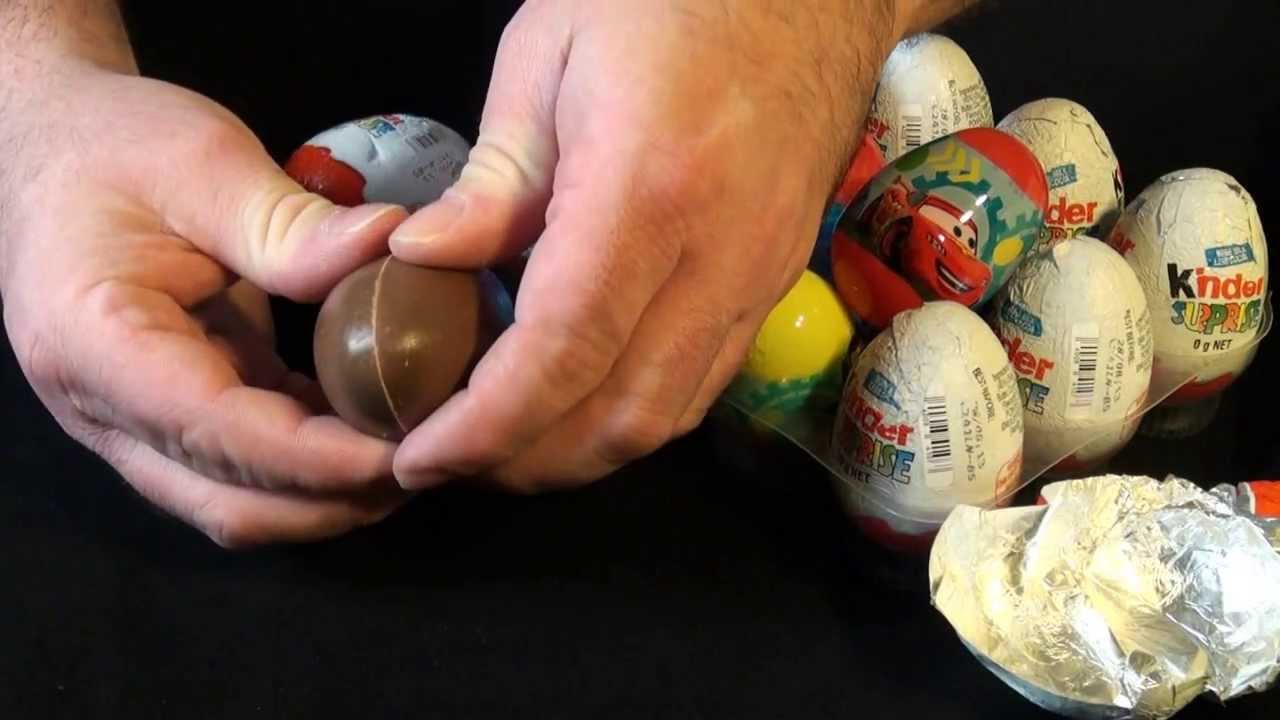
Opening a Kinder Surprise Egg is simple, but it's important to do it safely. First, carefully remove the foil wrapper to reveal the chocolate egg inside. Next, use your fingers to gently crack the egg open. Be sure to do this over a plate or other surface, as the toy inside may fall out.
Once the egg is open, you'll find a plastic capsule that contains the surprise toy. Carefully remove the capsule and open it up to reveal the toy inside. Some toys may require assembly, so be sure to follow the instructions carefully.
The Surprises Inside Kinder Surprise Eggs

One of the most exciting things about Kinder Surprise Eggs is discovering the surprise inside. The toys can range from simple figurines to more complex puzzles and games. The toys may also be part of a collection that can be assembled over time.
Kinder Surprise Eggs often feature popular characters from movies and TV shows, such as Disney princesses, Star Wars characters, and superheroes. There are also seasonal Kinder Eggs, such as those that feature Christmas or Easter themes.
Closing Thoughts
Opening a Kinder Surprise Egg is a fun and exciting experience that can bring joy to children and adults alike. Remember to open the egg safely and enjoy the surprise inside. Whether you're a collector or just enjoy the thrill of the surprise, Kinder Surprise Eggs are a beloved treat around the world.