
If you've ever heard that different parts of your tongue are responsible for different tastes, you may be surprised to learn that it's actually a myth. The idea that there are specific "taste zones" on the tongue has been debunked, but there is still a lot to learn about how our taste buds work.
How Taste Buds Work

Taste buds are specialized cells that help us detect different flavors. There are five basic tastes: sweet, sour, salty, bitter, and umami (savory). When we eat something, the molecules in the food interact with our taste buds, which send signals to our brain that help us identify what we're tasting.
While there are no specific taste zones on the tongue, different areas of the tongue are more sensitive to certain tastes. For example, the sides of the tongue are more sensitive to sour tastes, while the back of the tongue is more sensitive to bitter tastes.
The Four Basic Taste Qualities
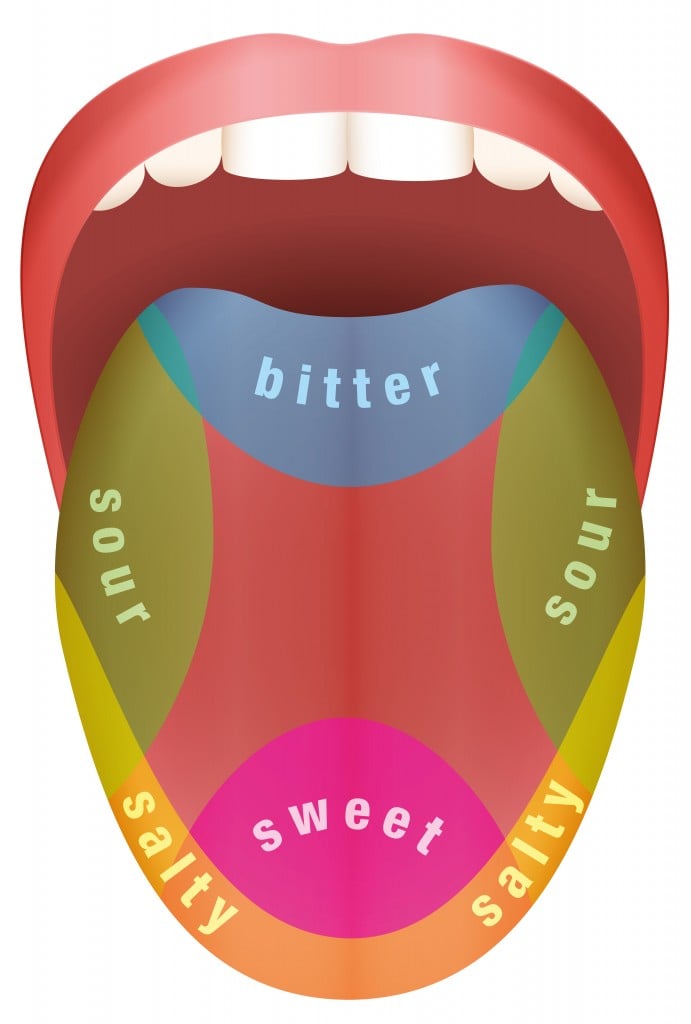
There are four basic taste qualities that we can detect: sweet, sour, salty, and bitter. These tastes can be combined to create complex flavors, like the ones we taste in our favorite foods.
Sweet taste is often associated with sugar and other sweeteners, but it can also be found in foods like fruit and milk. Sour taste is caused by acids, like those found in citrus fruits and vinegar. Salty taste is caused by the presence of sodium, which is found in salt and many processed foods. Bitter taste is often associated with strong flavors, like coffee and dark chocolate.
The Fifth Taste: Umami
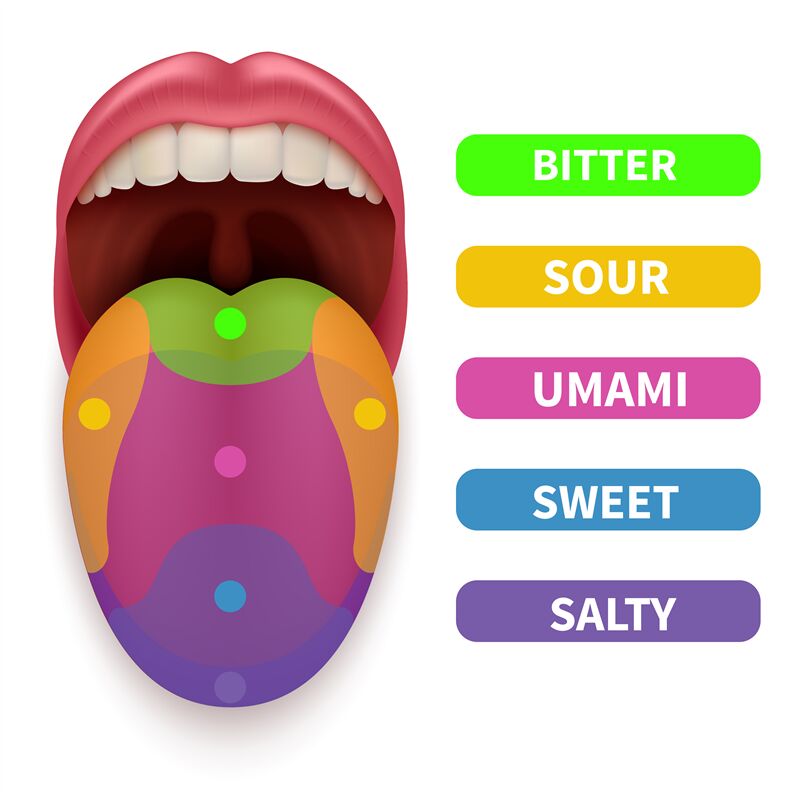
Umami is a relatively new addition to the list of basic taste qualities. It was first identified by a Japanese scientist in the early 20th century, and is often described as a savory or meaty flavor.
Umami taste is caused by the presence of glutamate, an amino acid that is found in many foods, including meat, fish, and vegetables. It's also found in monosodium glutamate (MSG), a flavor enhancer that is commonly used in processed foods.
The Role of Smell

While taste is an important part of the flavor experience, it's not the only factor. Our sense of smell also plays a major role in how we perceive flavors.
When we eat something, the molecules in the food travel up to our nose, where they interact with our olfactory receptors. These receptors help us identify different scents, which can enhance or detract from the taste experience.
Taste Preferences

Our taste preferences are influenced by a variety of factors, including genetics, culture, and personal experience. Some people may have a genetic predisposition to prefer sweet foods, while others may have a preference for spicy or bitter flavors.
Our cultural background can also play a role in our taste preferences. For example, people who grew up eating spicy foods may have a higher tolerance for heat than those who did not. Similarly, people from different parts of the world may have different preferences for sweet or savory flavors.
Conclusion
While there is no such thing as specific taste zones on the tongue, our taste buds play an important role in helping us detect different flavors. By understanding how our taste buds work and how they interact with our sense of smell, we can better appreciate the complex flavors that make our favorite foods so delicious.