March 7, 1788, is a significant date in the history of the Austrian Army. It marks the day when the army, led by Emperor Joseph II, began a campaign against the Ottoman Empire. The campaign was part of a larger conflict between the two empires, which lasted from 1787 to 1791 and is now known as the Austro-Turkish War.
The Background to the War

The Austro-Turkish War was fought over control of the Danube River, which was a vital trade route for both empires. The Ottoman Empire had controlled the river for centuries, but by the late 18th century, Austria was eager to gain access to it. The conflict began in 1787 when Austria declared war on the Ottoman Empire.
The Austrian Army's Campaign
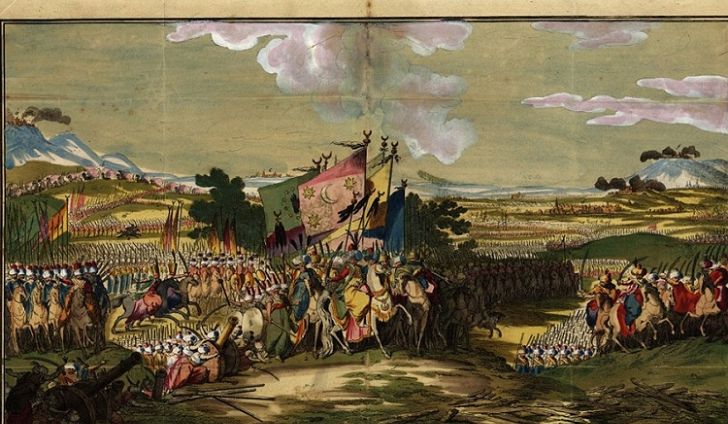
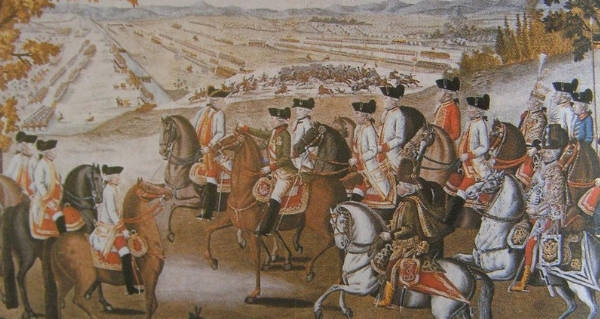
The Austrian Army, which consisted of around 80,000 soldiers, began its campaign on March 7, 1788. The army was led by Emperor Joseph II, who was a skilled military strategist. The campaign was divided into several phases, with the first phase aimed at capturing the Ottoman-held fortress of Belgrade.
The Austrian Army faced significant challenges during the campaign. The Ottoman Empire had a larger and more experienced army, and their soldiers were better equipped. However, the Austrian Army was well-trained and well-equipped, and they were determined to succeed.
The Battle of Karansebes

One of the most significant events of the Austro-Turkish War was the Battle of Karansebes, which took place on September 17, 1788. The battle was fought between two Austrian Army units, one of which mistook the other for the enemy and opened fire. The resulting chaos led to the deaths of around 1,200 Austrian soldiers.
The Siege of Belgrade

The Siege of Belgrade was a key event in the Austro-Turkish War. The siege began on September 15, 1789, and lasted for several months. The Austrian Army, led by General Ernst Gideon von Laudon, faced a determined Ottoman defense. However, the Austrians eventually succeeded in capturing the fortress on October 8, 1789.
The Treaty of Sistova
The Austro-Turkish War came to an end with the signing of the Treaty of Sistova on August 4, 1791. The treaty was favorable to Austria, as it allowed them to maintain control of the Danube River and gain access to several Ottoman-held territories. The treaty marked a significant victory for the Austrian Army and cemented their reputation as a formidable military force.
The Legacy of the Austro-Turkish War

The Austro-Turkish War had a significant impact on the history of Europe. It marked the beginning of the decline of the Ottoman Empire and the rise of Austria as a major European power. The war also highlighted the importance of military strategy and tactics, and it influenced the development of modern warfare.
Conclusion
The March 7, 1788 Austrian Army campaign was a significant event in the history of the Austro-Turkish War. The campaign, led by Emperor Joseph II, aimed to capture the Ottoman-held fortress of Belgrade and gain control of the Danube River. Despite facing significant challenges, the Austrian Army succeeded in capturing Belgrade and winning the war. The legacy of the Austro-Turkish War continues to influence modern warfare and the history of Europe.