Gender is a fundamental part of human identity, and it is often represented through symbols. Masculine and feminine symbols are ubiquitous in our culture and can be found in everything from clothing to language. In this article, we will explore the meaning behind these symbols and how they have evolved over time.
What Are Masculine And Feminine Symbols?
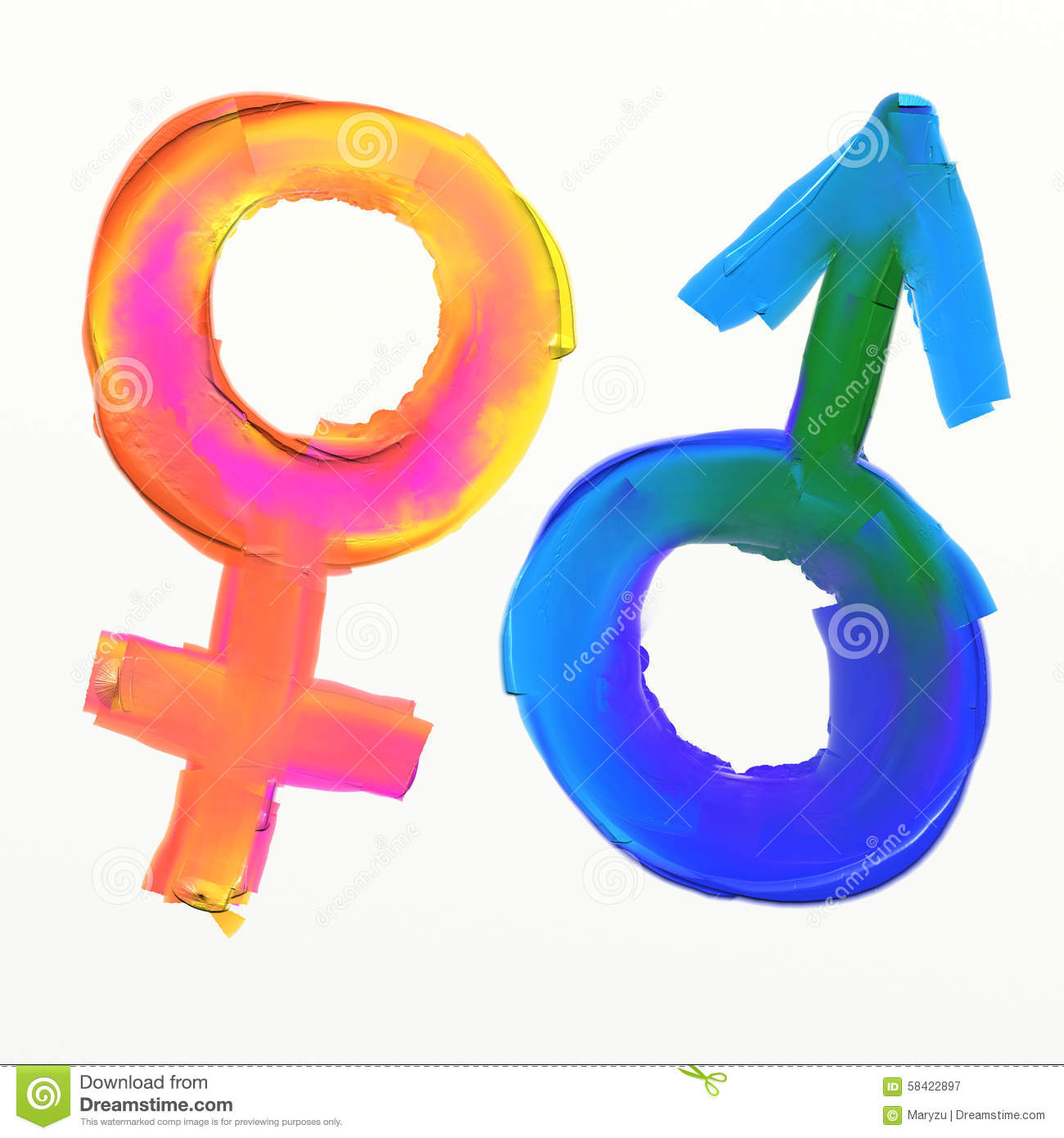
Masculine and feminine symbols are visual representations of gender. Masculine symbols are typically associated with traits that are traditionally considered to be masculine, such as strength, power, and assertiveness. Feminine symbols, on the other hand, represent traits that are traditionally associated with femininity, such as beauty, grace, and nurturing.

These symbols can be found in various forms, including language, clothing, and visual art. For example, the use of pink is often associated with femininity, while blue is associated with masculinity. Similarly, clothing items like dresses and skirts are often seen as feminine, while suits and ties are seen as masculine.
The History Of Masculine And Feminine Symbols
The use of masculine and feminine symbols can be traced back to ancient civilizations. In Greek mythology, for example, the god Apollo was associated with masculinity, while the goddess Aphrodite was associated with femininity. Similarly, in ancient Egyptian art, the pharaoh was often depicted as a powerful and masculine figure, while the goddess Isis was seen as nurturing and feminine.

Over time, these symbols have evolved and changed. In the 20th century, for example, the use of pink for girls and blue for boys became popular in the United States. This was a departure from earlier traditions, where pink was seen as a masculine color and blue was associated with femininity.
The Psychology Of Masculine And Feminine Symbols
Psychologists have long been interested in the meaning behind masculine and feminine symbols. Some theorists suggest that these symbols are deeply ingrained in our unconscious minds and influence our behavior and self-perception.
For example, the psychologist Carl Jung believed that there are archetypes of masculinity and femininity that are present in all human beings, regardless of gender. He suggested that these archetypes influence our behavior and can be seen in the symbols and myths that are present in our culture.
Masculine And Feminine Symbols In Language
Language is another area where masculine and feminine symbols are prevalent. In many languages, including English, nouns are gendered. For example, the word "actor" is masculine, while the word "actress" is feminine. Similarly, in Spanish, the word for "table" (mesa) is feminine, while the word for "chair" (silla) is masculine.

These gendered nouns can reinforce traditional gender roles and stereotypes. For example, if a woman is referred to as an "actress" instead of an "actor," it can suggest that her profession is not as important or legitimate as that of a male actor.
Challenging Masculine And Feminine Symbols
In recent years, there has been a growing movement to challenge traditional masculine and feminine symbols. This movement seeks to break down gender stereotypes and promote gender equality.

One way this is being done is through the use of gender-neutral language. Instead of using gendered nouns like "actor" and "actress," some people prefer to use the term "performer." Similarly, some schools and workplaces are adopting gender-neutral dress codes that allow individuals to express themselves without conforming to traditional gender norms.
Conclusion
Masculine and feminine symbols have been a part of human culture for thousands of years. While they have evolved and changed over time, they continue to play an important role in our understanding of gender. By challenging traditional gender stereotypes and promoting gender equality, we can create a more inclusive and equitable society.