
Leonardo da Vinci's masterpiece, the Mona Lisa, has been the subject of fascination for centuries. One of the most intriguing aspects of the famous painting is the enigmatic smile of the woman portrayed in it. However, another aspect that often goes unnoticed is the fact that the Mona Lisa's eyes seem to follow the viewer, no matter where they stand in the room.
The Illusion of Movement

The illusion of movement in the Mona Lisa's eyes is known as the "Mona Lisa effect." It occurs when the subject of a painting appears to be looking directly at the viewer, no matter where they stand. This effect has been observed in several other works of art, but it is particularly striking in the Mona Lisa.
There are several theories as to why the Mona Lisa's eyes seem to follow the viewer. One theory is that Leonardo da Vinci used a technique called sfumato to blur the lines around her eyes, giving them a softer and more realistic appearance. This blurring effect may create the illusion of movement when the viewer moves around the painting.
Another theory is that the Mona Lisa's eyes are actually painted slightly askew, so that they appear to be looking at the viewer from any angle. This could be a deliberate choice by da Vinci to make the painting more engaging and interactive.
The Power of Eye Contact
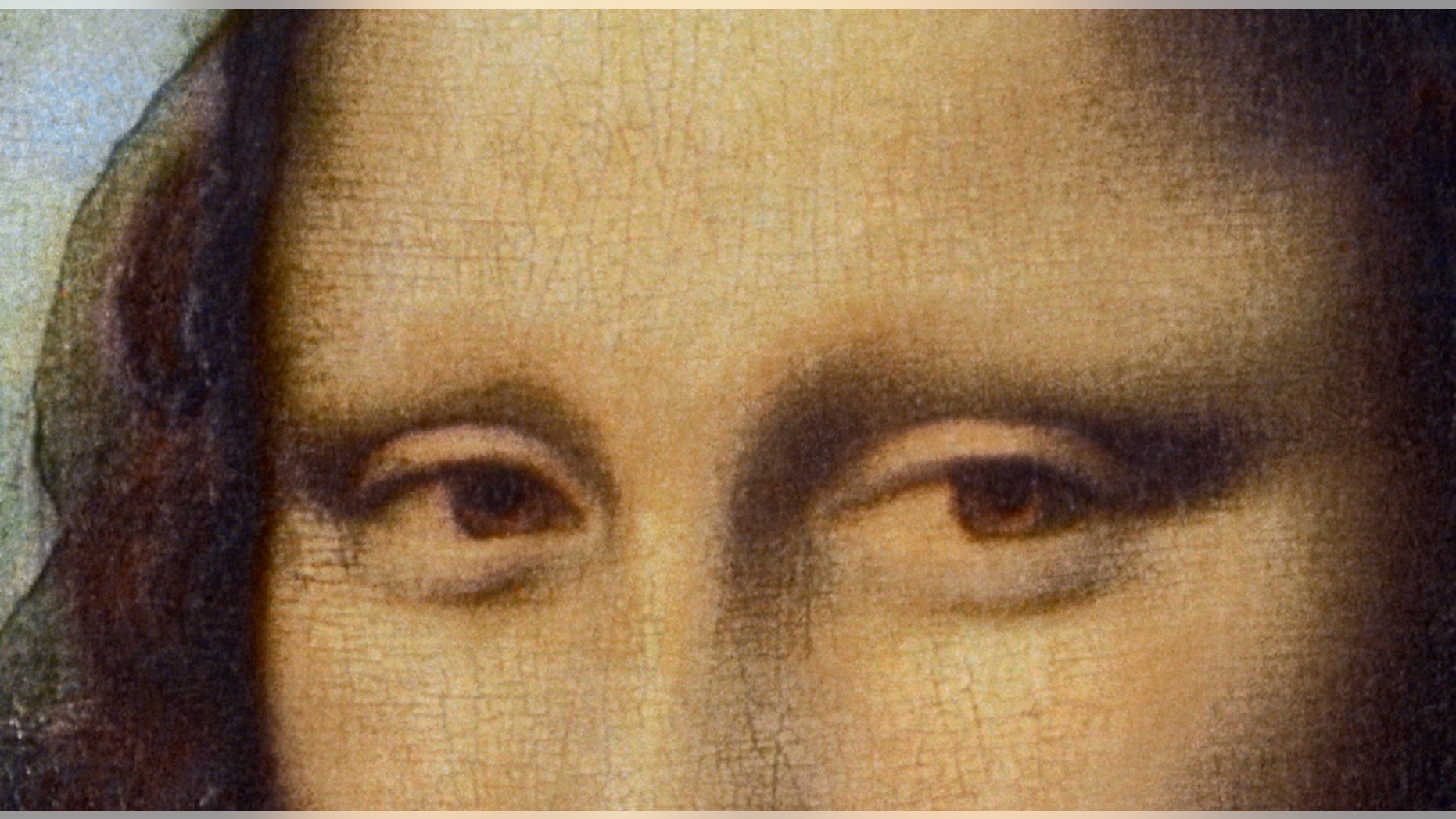
Eye contact is a powerful tool in human communication. It can convey a wide range of emotions, from trust and affection to hostility and suspicion. In the case of the Mona Lisa, her direct gaze creates a sense of intimacy and connection with the viewer, as if she is sharing a secret or a moment of understanding.
Some art historians have suggested that the Mona Lisa's gaze may also have a deeper meaning. They speculate that she is looking not at the viewer, but at something just out of frame, perhaps a lover or a child. This interpretation adds another layer of complexity to the painting and invites the viewer to imagine their own story behind the enigmatic smile.
The Legacy of the Mona Lisa

The Mona Lisa's effect on art and culture cannot be overstated. It has inspired countless imitations, parodies, and homages, as well as scholarly debates and conspiracy theories. The painting's enduring popularity is a testament to its universal appeal and timeless beauty.
Whether or not the Mona Lisa's eyes really do follow you, one thing is certain: this masterpiece will continue to captivate and intrigue viewers for generations to come.