Early Life and Rise to Power

Genghis Khan, born as Temujin, was a Mongolian warrior and ruler who founded the Mongol Empire in the early 13th century. He was born in 1162 in the region of Mongolia, which was then divided into different tribes led by different chieftains. Temujin was born to a noble family, but his father was poisoned when he was just nine years old, and his family was left without any protection.
As a young boy, Temujin had to fend for himself and his family. He learned to hunt and fight, and he quickly became a skilled warrior. He also started to form alliances with other tribes, which helped him gain more power and influence.
By the age of 20, Temujin had formed a strong alliance with his childhood friend Jamuka, and together they started to conquer other tribes in the region. However, their alliance soon turned sour, and they became bitter enemies. In 1206, Temujin defeated Jamuka in a decisive battle and was proclaimed the leader of all Mongolian tribes under the title of Genghis Khan, which means "universal ruler".
The Conquests and Expansion of the Mongol Empire
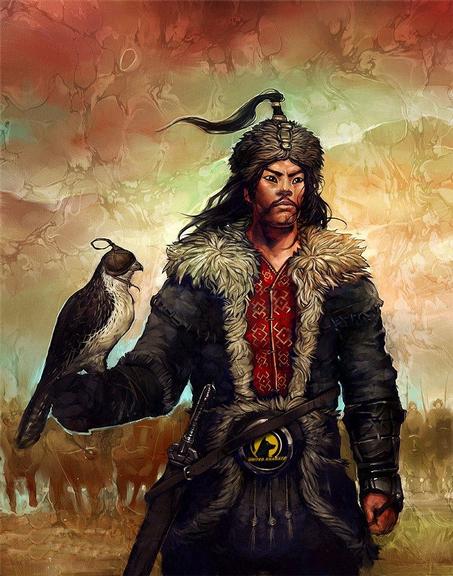
Under Genghis Khan's leadership, the Mongol Empire started to expand rapidly. He led his armies to conquer neighboring territories, including China, Central Asia, and Eastern Europe. His military strategy was innovative and ruthless, and he was known for his use of psychological warfare and surprise attacks.
Genghis Khan's conquests brought immense wealth and power to the Mongol Empire, and he was revered as a god-like figure by his people. He also introduced many reforms and laws that helped to unify the different tribes under his rule.
The Legacy of Genghis Khan

Genghis Khan died in 1227, but his legacy lived on. The Mongol Empire continued to expand under his successors, and it became the largest contiguous empire in history. The Mongol conquests also had a significant impact on world history, as they led to the spread of ideas, technologies, and cultures across different regions.
Genghis Khan is also remembered for his progressive policies, including religious tolerance and the promotion of meritocracy. He believed in the importance of education and encouraged the learning of different languages, religions, and cultures.
The Controversial Legacy of Genghis Khan

Despite his many accomplishments, Genghis Khan's legacy is also controversial. He was known for his brutal conquests and the slaughter of millions of people. He was also accused of promoting a cult of personality and suppressing dissent.
However, some historians argue that Genghis Khan's actions were not unusual for his time, and that he should be judged in the context of his era. They also point out that he was a product of his environment, and that his brutal methods were necessary for the survival of his people in a harsh and unforgiving world.
The Enduring Legend of Genghis Khan

Genghis Khan remains a legendary figure in Mongolian history and culture. He is celebrated as a hero and a symbol of national unity and pride. His legacy has also inspired many writers, artists, and filmmakers, who have depicted his life and conquests in various works of art.
Despite the controversies surrounding his legacy, there is no denying the impact that Genghis Khan had on world history. He was a visionary leader and a formidable warrior, whose conquests changed the course of human history.