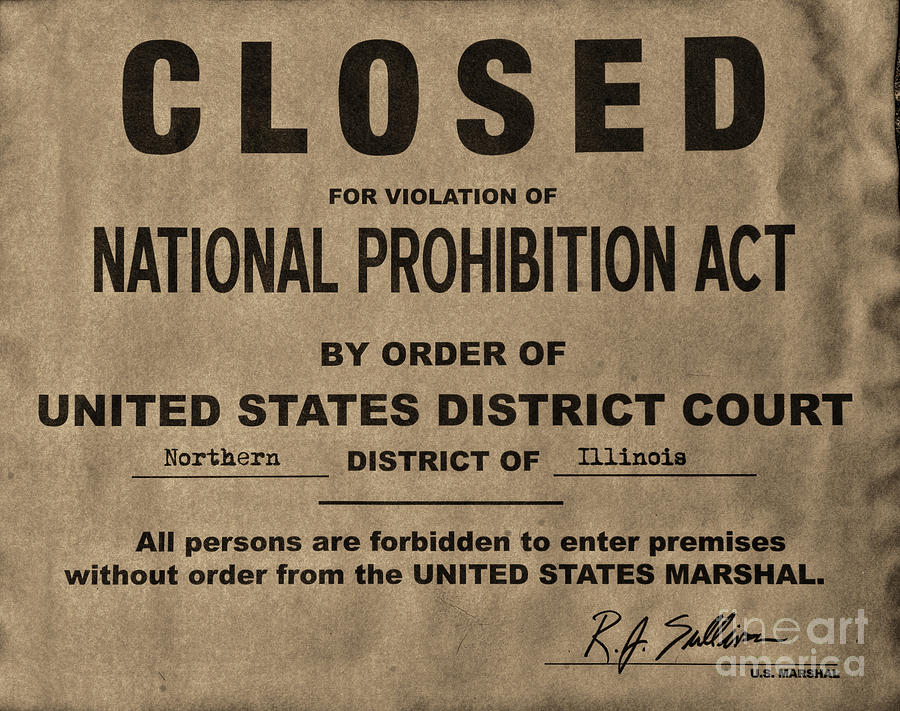
The National Prohibition Act, also known as the Volstead Act, was passed by the United States Congress on October 28, 1919. It was a law that prohibited the production, sale, and transportation of alcoholic beverages throughout the United States. This act was enforced from 1920 to 1933, and it had a significant impact on the social, cultural, and economic aspects of American society.
The Temperance Movement

The temperance movement, which began in the early 19th century, was a social movement that aimed to reduce the consumption of alcohol in the United States. Supporters of temperance believed that alcohol was responsible for many of the social problems in America, including poverty, crime, and domestic violence. The temperance movement was led by women's groups, religious organizations, and political parties.
The Prohibition Era

The National Prohibition Act was enacted in the United States in 1920, marking the beginning of the Prohibition era. This era was characterized by widespread illegal production, transportation, and sale of alcoholic beverages. The Prohibition era also gave rise to organized crime and bootlegging, as criminal organizations took advantage of the demand for alcohol.
The Impact of Prohibition
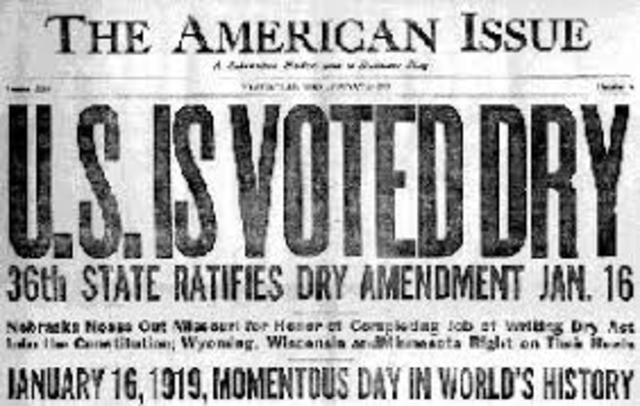
The National Prohibition Act had a significant impact on American society. On the one hand, it reduced the consumption of alcohol and the associated social problems. On the other hand, it led to the rise of organized crime and the growth of illegal alcohol trade. The Prohibition era also saw the rise of speakeasies, illegal bars and nightclubs that served alcohol. The government responded by conducting raids and enforcing the law, which led to increased tensions between law enforcement and the public.
The End of Prohibition

The National Prohibition Act was repealed in 1933, marking the end of the Prohibition era. The repeal was largely due to the economic impact of the Great Depression, which led to increased pressure to create jobs and generate revenue. The repeal of Prohibition also led to the growth of the alcohol industry, which has since become a significant contributor to the American economy.
The Legacy of Prohibition

The National Prohibition Act had a lasting impact on American society. It led to the rise of organized crime, the growth of the illegal alcohol trade, and the increased power of law enforcement. It also had a significant impact on American culture, leading to the growth of speakeasies, jazz music, and other forms of entertainment. The legacy of Prohibition can still be seen today in the ongoing debates over drug and alcohol policy in the United States.
The Lessons of Prohibition
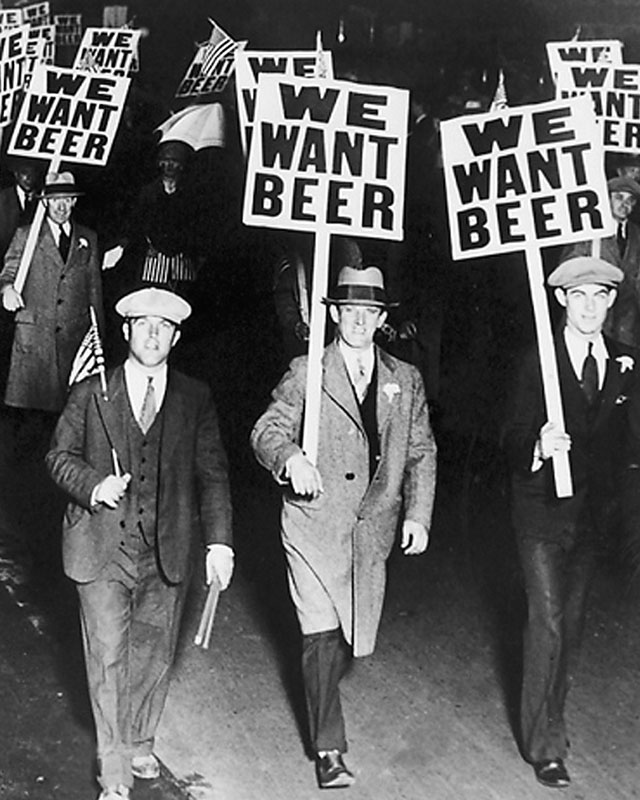
The National Prohibition Act taught us many lessons about the impact of government policy on society. It showed us that prohibition can lead to unintended consequences and can create more problems than it solves. It also showed us the importance of balancing public health and safety concerns with individual liberty and personal responsibility. The lessons of Prohibition continue to be relevant today as we grapple with issues such as drug legalization and regulation.
Conclusion
The National Prohibition Act of 1919 was a landmark piece of legislation that had a significant impact on American society. It marked the beginning of the Prohibition era, which lasted from 1920 to 1933. While Prohibition had some positive effects, such as reducing alcohol consumption and associated social problems, it also had many negative consequences, such as the rise of organized crime and the growth of illegal alcohol trade. The lessons of Prohibition continue to be relevant today as we navigate the complex issues surrounding drug and alcohol policy.