
Introduction
The phrase "Nero fiddled while Rome burned" is a popular expression that refers to a leader who shows indifference or neglect to a crisis situation. The phrase is derived from the story of Emperor Nero, who supposedly played the fiddle while watching Rome burn in 64 AD. Although the story may not be entirely accurate, it has become a popular symbol of leadership failure.
The Story of Nero and Rome Burning

The story of Nero and Rome burning is one of the most famous events in ancient Roman history. According to the story, a great fire broke out in Rome in 64 AD and burned for six days and seven nights, destroying much of the city. There are different versions of the story, but most agree that Nero was in the city at the time.
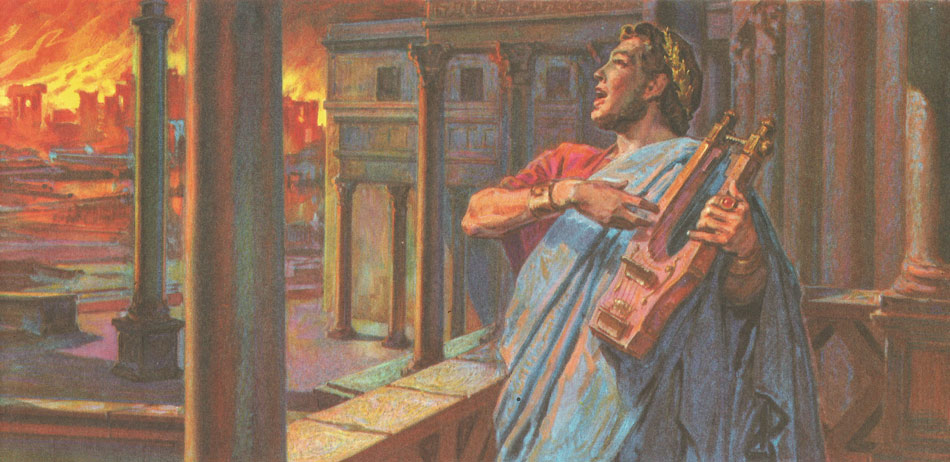
Some accounts claim that Nero started the fire himself to clear space for his new palace, while others blame the fire on the Christians. Whatever the cause, Nero's response to the crisis was controversial. According to legend, Nero played his fiddle (or lyre) while watching the city burn, showing complete indifference to the disaster unfolding around him.
The Accuracy of the Story

The accuracy of the story of Nero and Rome burning is a subject of debate among historians. While some believe that Nero was responsible for the fire, most agree that the story of him playing his fiddle while Rome burned is a myth. The fiddle, or violin, did not exist during Nero's time, and the story was likely invented by later writers to denigrate Nero's reputation.
Nevertheless, the story of Nero fiddling while Rome burned has become a popular symbol of leadership failure. The image of a leader playing music while a crisis unfolds around them is a powerful one and continues to resonate with people today.
The Legacy of Nero
Nero's legacy is a complex one. While he is often portrayed as a cruel and decadent ruler, some historians argue that he was a misunderstood and innovative leader. Nero was known for his artistic talents and patronage of the arts, and he is credited with introducing several reforms that improved the lives of ordinary Romans.
However, Nero's reign was also marked by political turmoil and violence. He is infamous for his persecution of the Christians and his alleged responsibility for the fire that destroyed much of Rome. In the end, Nero's legacy remains a subject of debate among historians and scholars.
The Symbolism of Nero Fiddling While Rome Burned

The image of Nero fiddling while Rome burned has become a potent symbol of leadership failure. It represents a leader who is indifferent or neglectful to the needs of their people, especially during times of crisis. This symbolism has been used in many different contexts throughout history, from political scandals to corporate failures.
However, it is important to remember that the story of Nero and Rome burning is a myth, and the accuracy of the story is still debated by historians. While the image of Nero playing his fiddle may be powerful, it is not necessarily an accurate portrayal of Nero's actions or leadership abilities.
Conclusion
The story of Nero and Rome burning is one of the most famous events in ancient Roman history. While the accuracy of the story is debated by historians, it has become a popular symbol of leadership failure. The image of Nero fiddling while Rome burned represents a leader who is indifferent or neglectful to the needs of their people, especially during times of crisis. However, it is important to remember that the story of Nero and Rome burning is a myth, and the accuracy of the story is still debated by historians.