
Have you ever heard the phrases "nickel and dime" or "nickel and dimed"? These phrases are commonly used in the English language and have a unique meaning. In this article, we will explore the meaning behind "nickel and dime" and how it is used in everyday conversation.
What does "nickel and dime" mean?

The phrase "nickel and dime" means to charge small amounts of money repeatedly, which can add up to a larger sum over time. For example, if a company charges a customer an extra dollar here and there, it may not seem like much at first, but over time, those charges can add up and become a significant amount of money.
Another way to look at the meaning of "nickel and dime" is to think of it as being cheap or stingy. When someone is nickel and diming, they are trying to save money by cutting corners or being overly cautious with their spending.
Origins of the phrase

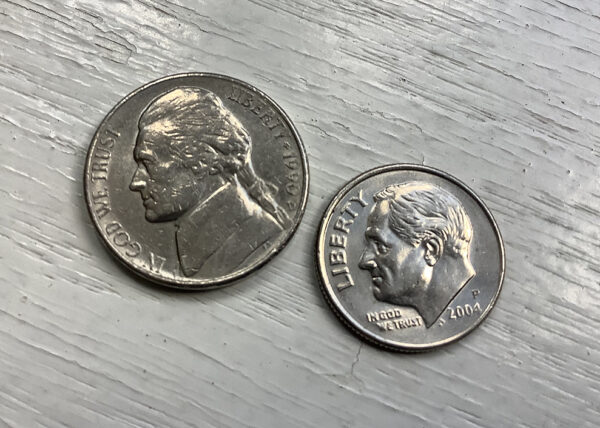
The phrase "nickel and dime" originated in the United States in the early 20th century. At the time, a nickel was worth five cents, and a dime was worth ten cents. The phrase was used to describe the practice of charging small amounts of money repeatedly, which was common in businesses such as vending machines and payphones.
Over time, the phrase "nickel and dime" has become a part of everyday language, with people using it to describe situations where someone is being overly cautious with their spending or charging small amounts of money repeatedly.
Examples of "nickel and diming"

Here are a few examples of "nickel and diming" in everyday life:
- A hotel charging extra fees for things like Wi-Fi, parking, and resort fees.
- A restaurant charging extra for condiments or substitutions.
- A utility company charging extra fees for late payments or paper bills.
While these charges may seem small at first, they can add up quickly and become a significant expense over time.
How to avoid "nickel and diming"
If you want to avoid being "nickel and dimed," there are a few things you can do:
- Read the fine print: Make sure you understand all the fees and charges associated with a product or service before you make a purchase.
- Compare prices: Shop around and compare prices to make sure you are getting the best value for your money.
- Ask questions: Don't be afraid to ask questions about fees and charges. If something seems unclear or unfair, speak up and ask for clarification.
By taking these steps, you can avoid being "nickel and dimed" and make sure you are getting the best value for your money.
Conclusion

The phrase "nickel and dime" has a unique meaning in the English language, and it is used to describe situations where small amounts of money are charged repeatedly. While these charges may seem small at first, they can add up over time and become a significant expense. By understanding the meaning of "nickel and dime" and taking steps to avoid being nickel and dimed, you can make sure you are getting the best value for your money.