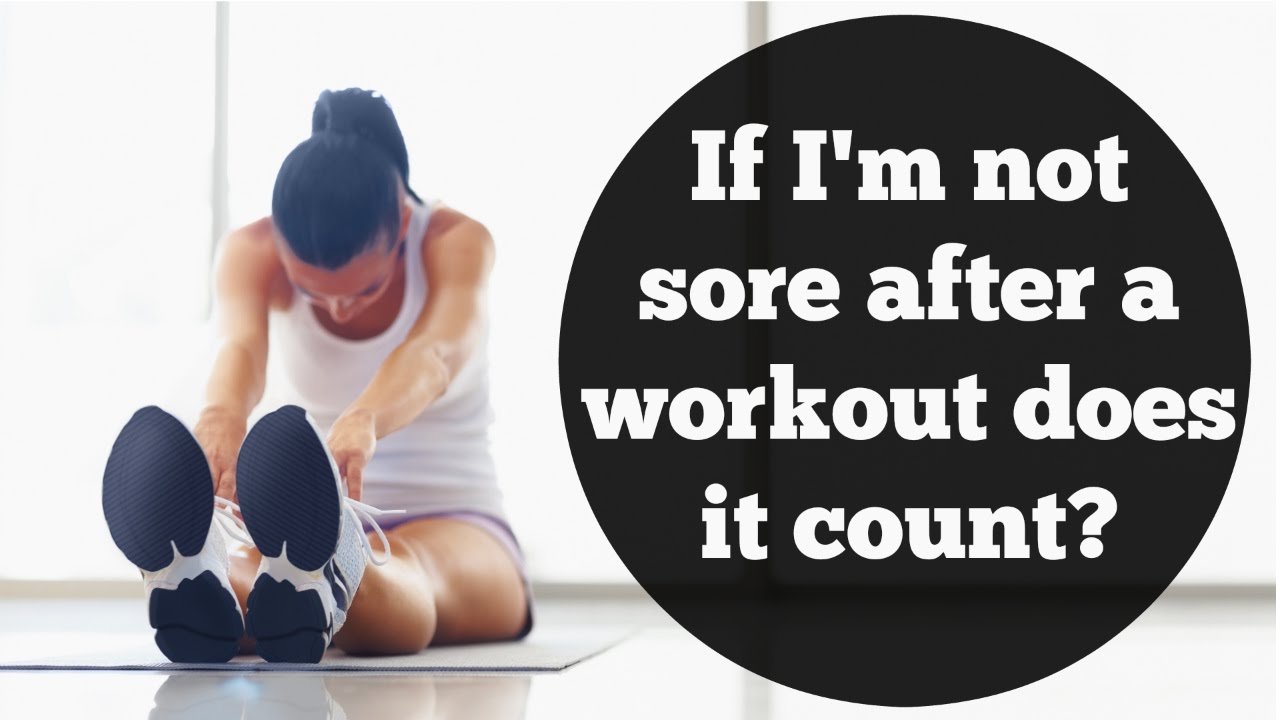
Working out is an essential part of a healthy lifestyle, but many people avoid it because of the fear of getting sore. It's a common misconception that you need to feel sore after a workout to know that you've had a great session. However, that's not always the case.
What Causes Muscle Soreness?

Muscle soreness is caused by microscopic tears in your muscles that occur during exercise. These tears, also known as microtrauma, are essential for muscle growth and adaptation. However, they can also cause inflammation, resulting in soreness.
Delayed onset muscle soreness (DOMS) is the most common type of soreness, which typically occurs 24-48 hours after exercise. DOMS is the result of the body's inflammatory response to the microtrauma in the muscles.
Factors That Contribute to Soreness

There are several factors that can contribute to muscle soreness, including:
- The intensity of the workout
- The duration of the workout
- The type of exercise
- The frequency of the exercise
- The level of fitness
- The age of the individual
While these factors can increase the likelihood of soreness, it's important to note that soreness is not always an indication of a good workout.
How to Prevent Soreness

Although soreness is a natural part of the muscle-building process, there are steps you can take to minimize it:
- Warm up and cool down properly before and after exercise
- Gradually increase the intensity and duration of your workouts
- Include stretching and foam rolling in your routine
- Stay hydrated
- Eat a balanced diet with enough protein to support muscle growth and repair
By taking these steps, you can reduce the likelihood of experiencing soreness after a workout.
How to Treat Soreness

If you do experience soreness after a workout, there are several ways to treat it:
- Rest and allow your muscles time to recover
- Apply ice or heat to the affected area
- Take over-the-counter pain medications, such as ibuprofen
- Use topical creams or ointments designed for sore muscles
It's important to note that while these treatments can provide relief, they do not speed up the recovery process.
Conclusion
While soreness is a common side effect of exercise, it's not always an indication of a good workout. By taking steps to prevent soreness and treating it when necessary, you can stay on track with your fitness goals without being held back by discomfort.