
Introduction
Hindi is one of the most widely spoken languages in India, with over 500 million speakers worldwide. It is the official language of India and is also widely used in countries such as Nepal, Mauritius, and Fiji. The Hindi language has its own unique script, which consists of a total of 44 alphabets. In this article, we will explore the number of alphabets in Hindi and their significance.
The Hindi Alphabet

The Hindi alphabet is also known as Devanagari, which means "divine script" in Sanskrit. It is a phonetic script, which means each letter represents a distinct sound. The Hindi alphabet consists of 13 vowels and 31 consonants, making a total of 44 letters. The vowels in Hindi are called svar and the consonants are called vyanjan.
The Vowels in Hindi
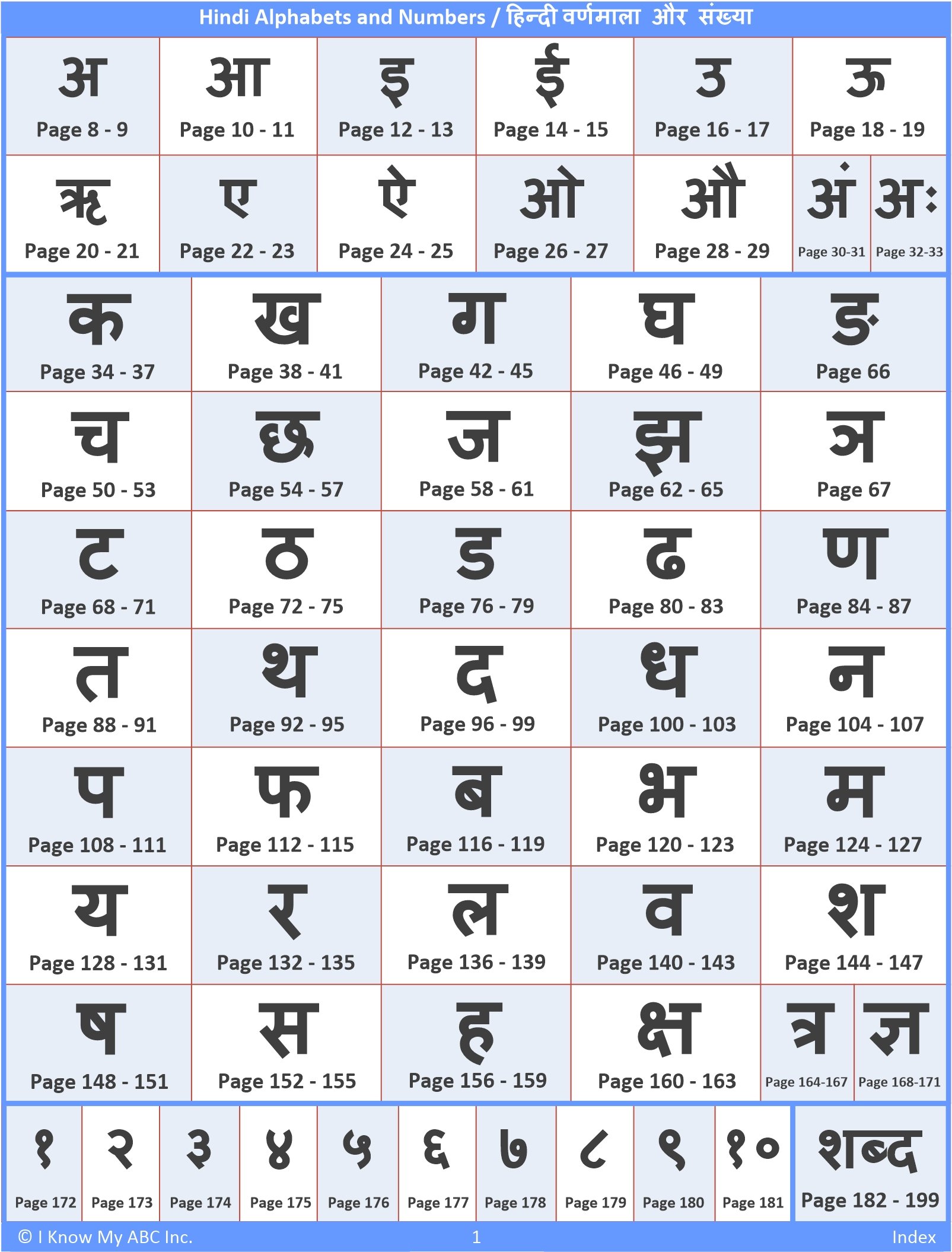
The Hindi language has 13 vowels, which are represented by the letters अ, आ, इ, ई, उ, ऊ, ए, ऐ, ओ, औ, अं, अः, and ऋ. The first two vowels, अ and आ, are the most basic and are used to form most of the other vowels. The last vowel, ऋ, is a bit unique and is rarely used in Hindi.
The Consonants in Hindi
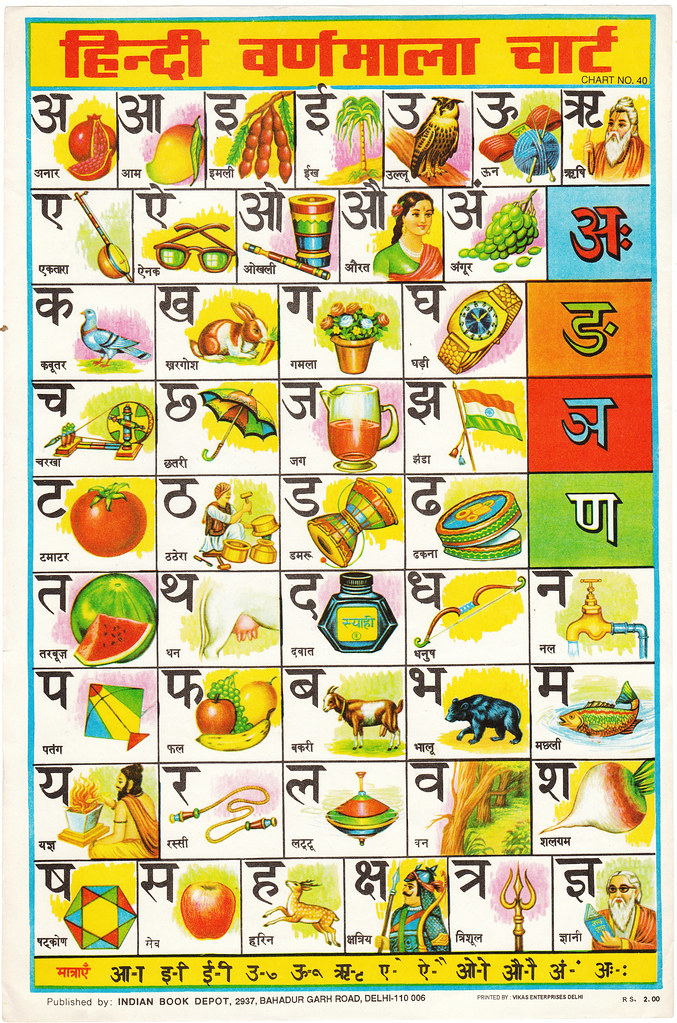
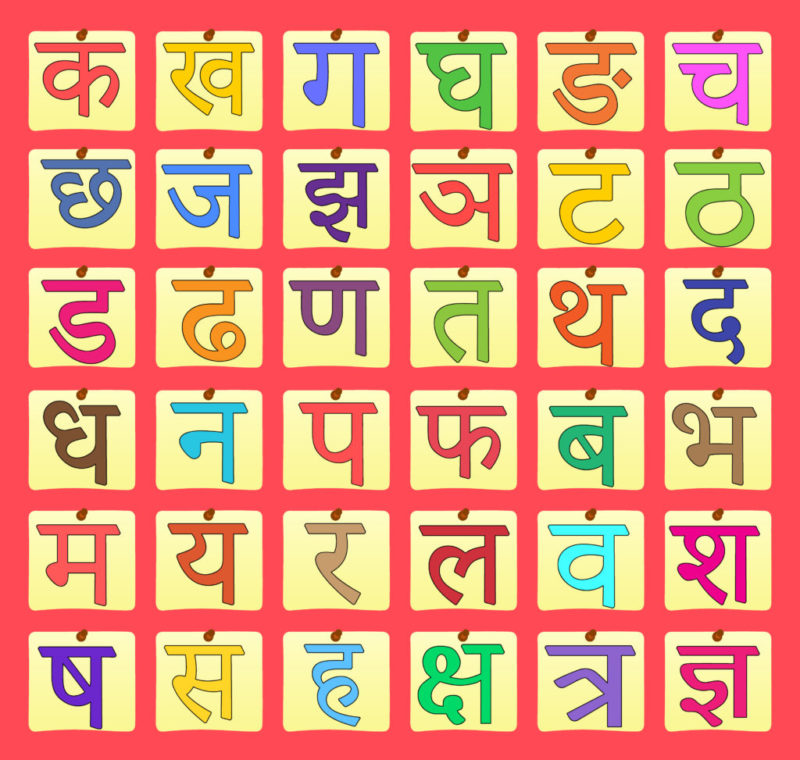
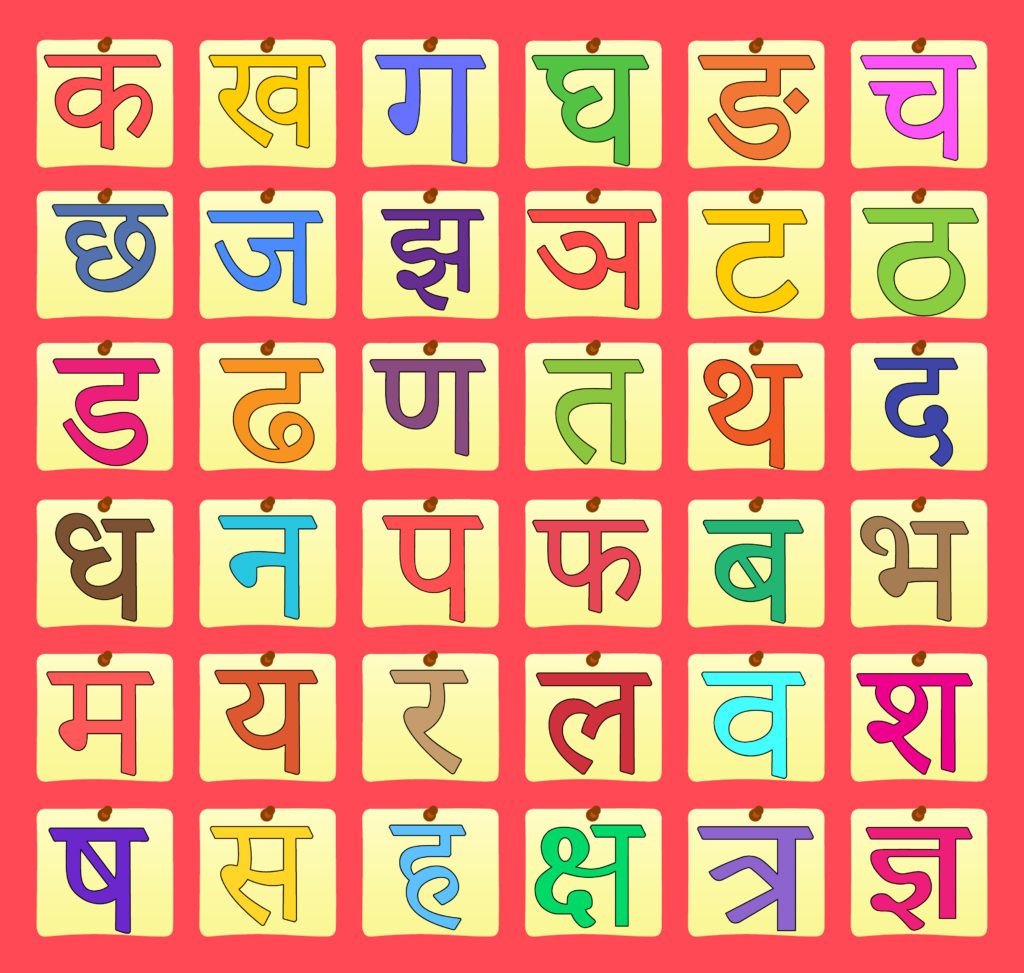
The Hindi language has 31 consonants, which are represented by the letters क, ख, ग, घ, ङ, च, छ, ज, झ, ञ, ट, ठ, ड, ढ, ण, त, थ, द, ध, न, प, फ, ब, भ, म, य, र, ल, व, श, ष, स, ह. The first five consonants, क, ख, ग, घ, and ङ, are called the guttural consonants. The next five, च, छ, ज, झ, and ञ, are called the palatal consonants. The remaining consonants are called the cerebral and dental consonants.
The Importance of Hindi Alphabets

The Hindi alphabet is an essential part of the Hindi language. Without it, it would be impossible to read or write in Hindi. The alphabet is also important for learning other Indian languages, such as Sanskrit and Marathi, as they also use the Devanagari script. Additionally, the Hindi alphabet plays a crucial role in preserving the rich cultural heritage of India.
The Evolution of Hindi Alphabets
The Hindi alphabet has evolved over time, with some letters being added, removed or modified. The earliest form of the Hindi alphabet can be traced back to the 3rd century BC, when the Brahmi script was in use. Over time, the script evolved into the Nagari script, which was used to write Sanskrit. The modern Devanagari script, which is used to write Hindi, emerged around the 11th century AD.
The Significance of Hindi Alphabets
The Hindi alphabet has immense significance in Indian culture and society. It is not just a means of communication but also a symbol of the country's identity and heritage. The alphabet is used in literature, music, films, and other art forms. It is also used in official documents, government publications, and educational materials.
The Challenges of Learning Hindi Alphabets

Learning the Hindi alphabet can be challenging for those who are not familiar with the Devanagari script. The script is complex and has many characters that can be difficult to differentiate from one another. However, with practice and dedication, anyone can learn to read and write in Hindi.
Conclusion
The Hindi alphabet is an essential part of the Hindi language and Indian culture. It consists of 44 letters, including 13 vowels and 31 consonants. Learning the Hindi alphabet can be challenging but is necessary for anyone who wants to read, write, or speak Hindi. The alphabet plays a crucial role in preserving India's rich cultural heritage and is a symbol of the country's identity.