The Olympic Games is a global event that brings together athletes from all over the world to compete in various sports. It is a celebration of sportsmanship, excellence, and unity. The Olympics has a long and rich history, with many traditions and symbols that have become iconic. In this article, we will explore the Olympic symbols that are most relevant and interesting to kids.
The Olympic Rings

The Olympic rings are one of the most recognizable symbols of the Games. The five rings represent the five continents of the world - Africa, America, Asia, Europe, and Oceania - and are interlocked to symbolize unity and cooperation. The colors of the rings are blue, yellow, black, green, and red, and they were chosen because every flag in the world contains at least one of these colors. The Olympic rings are a great way to introduce kids to the idea of global unity and cooperation.
The Olympic Flame
The Olympic flame is another iconic symbol of the Games. The flame is lit in Olympia, Greece, and then carried by relay to the host city. The torch relay is a major event, and people from all over the world come out to see the torch pass by. The lighting of the Olympic flame is a symbol of the continuity of the Games and the connection between the ancient and modern Olympics.
The Olympic Mascots
Every Olympic Games has its own mascot, which is a fun and colorful character that represents the spirit of the Games. The mascots are usually animals or creatures that are native to the host country. They are designed to be appealing to kids and are often featured in merchandise and advertising. The mascots are a great way to get kids excited about the Games and to help them feel connected to the event.
The Olympic Medals

The Olympic medals are one of the most coveted prizes in sports. The medals are awarded to the top athletes in each event and are a symbol of achievement and excellence. The medals are made of gold, silver, and bronze, and are designed to be both beautiful and functional. The front of the medal features the emblem of the Games, while the back features an image of the sport in which the medal was won.
The Olympic Flag

The Olympic flag is another symbol of the Games. The flag features the Olympic rings on a white background, and is flown at every Olympic venue. The flag is a symbol of the universality of the Games and the idea of bringing together people from all over the world to compete in sports.
The Olympic Hymn

The Olympic hymn is a musical composition that is played at the opening and closing ceremonies of the Games. The hymn was composed by Spyridon Samaras and the lyrics were written by Kostis Palamas. The hymn is a symbol of the spirit of the Games and the idea of bringing together people from all over the world to celebrate sports and friendship.
The Olympic Creed
The Olympic creed is a statement that was first spoken by Baron Pierre de Coubertin, the founder of the modern Olympic Games. The creed states: "The most important thing in the Olympic Games is not to win but to take part, just as the most important thing in life is not the triumph but the struggle. The essential thing is not to have conquered but to have fought well." The creed is a symbol of the Olympic spirit and the idea of sportsmanship.
The Olympic Oath

The Olympic oath is a promise that is made by one athlete from the host country at the opening ceremony of the Games. The athlete promises to compete fairly and to uphold the spirit of the Games. The oath is a symbol of the integrity of the Games and the idea of fair play.
The Olympic Village
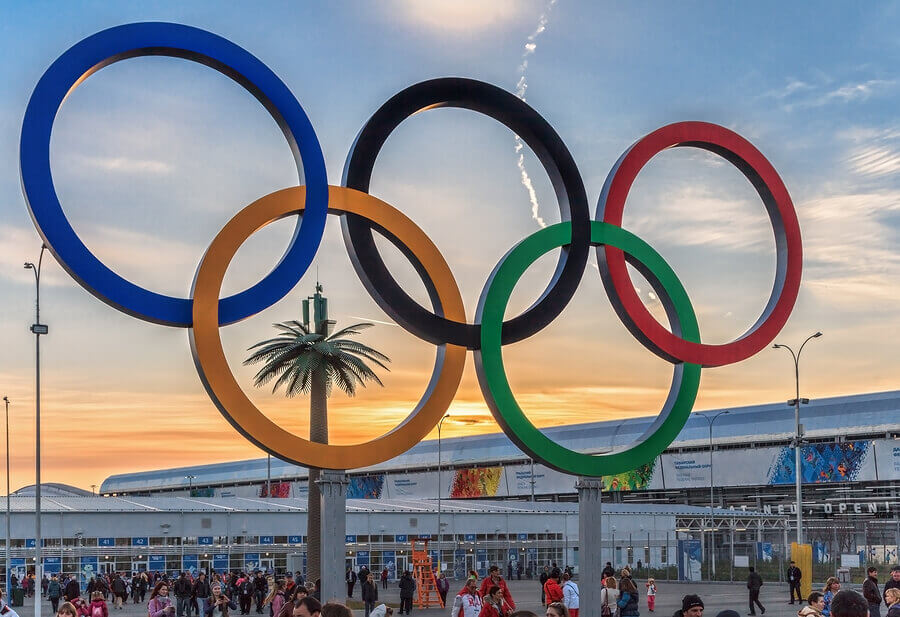
The Olympic village is a temporary residence that is built to house the athletes during the Games. The village is designed to be a home away from home for the athletes, and is equipped with everything they need to relax and prepare for their events. The village is a symbol of the camaraderie and community of the Games, and is a great way to introduce kids to the idea of teamwork and cooperation.
The Olympic Torch

The Olympic torch is a symbol of the Games that is carried by runners from Greece to the host city. The torch represents the light of the Games and is passed from one runner to the next as a symbol of the continuity of the Games. The torch relay is a major event, and people from all over the world come out to see the torch pass by.
The Olympic Village Food

The Olympic village food is an important part of the Games. The food is designed to be nutritious and delicious, and is prepared by chefs from all over the world. The food is a symbol of the cultural exchange that takes place at the Games, and is a great way to introduce kids to different foods and cultures.
The Olympic Closing Ceremony

The Olympic closing ceremony is a celebration of the end of the Games. The ceremony features music, dancing, and fireworks, and is a chance to reflect on the achievements of the athletes. The closing ceremony is a symbol of the end of the Games and the idea of saying goodbye to new friends and old.
The Olympic Opening Ceremony

The Olympic opening ceremony is a celebration of the start of the Games. The ceremony features music, dancing, and a parade of athletes from all over the world. The opening ceremony is a symbol of the beginning of the Games and the idea of bringing together people from all over the world to compete in sports.
The Olympic Village Recreation

The Olympic village recreation is a fun and relaxing way for athletes to unwind and prepare for their events. The village is equipped with a variety of recreational activities, including swimming pools, gyms, and game rooms. The village recreation is a symbol of the importance of rest and relaxation in sports.
The Olympic Opening Parade

The Olympic opening parade is a colorful and exciting event that takes place during the opening ceremony. The parade features athletes from all over the world, dressed in their national uniforms and carrying their country's flag. The opening parade is a symbol of the diversity of the Games and the idea of bringing together people from all over the world to compete in sports.
The Olympic Torch Relay
The Olympic torch relay is a major event that takes place before each Olympic Games. The torch is lit in Olympia, Greece, and then carried by relay to the host city. The torch relay is a symbol of the continuity of the Games and the connection between the ancient and modern Olympics.
The Olympic Victory Ceremony
The Olympic victory ceremony is a celebration of the top athletes in each event. The ceremony features the awarding of the medals and the playing of the national anthem of the winning athlete's country. The victory ceremony is a symbol of achievement and excellence in sports.
The Olympic Village Technology

The Olympic village technology is a state-of-the-art way for athletes to stay connected and informed during the Games. The village is equipped with high-speed internet, video conferencing, and other communication tools. The village technology is a symbol of the importance of technology in sports and in modern life.
Conclusion
The Olympic symbols are an important part of the Games and a great way to introduce kids to the world of sportsmanship, excellence, and unity. Whether it's the Olympic rings, the torch relay, or the victory ceremony, each symbol has a special meaning and a unique role in the Games. By understanding and appreciating these symbols, kids can develop an appreciation for the importance of sports and the value of global cooperation.