
Introduction
One of the most commonly used phrases to describe someone who avoids reality or a difficult situation is “ostrich head in sand”. The image of an ostrich burying its head in the sand has been popularized in cartoons, movies, and social media. But is there any truth to this myth? In this article, we will explore the facts and myths behind the ostrich head in sand behavior.
The Myth
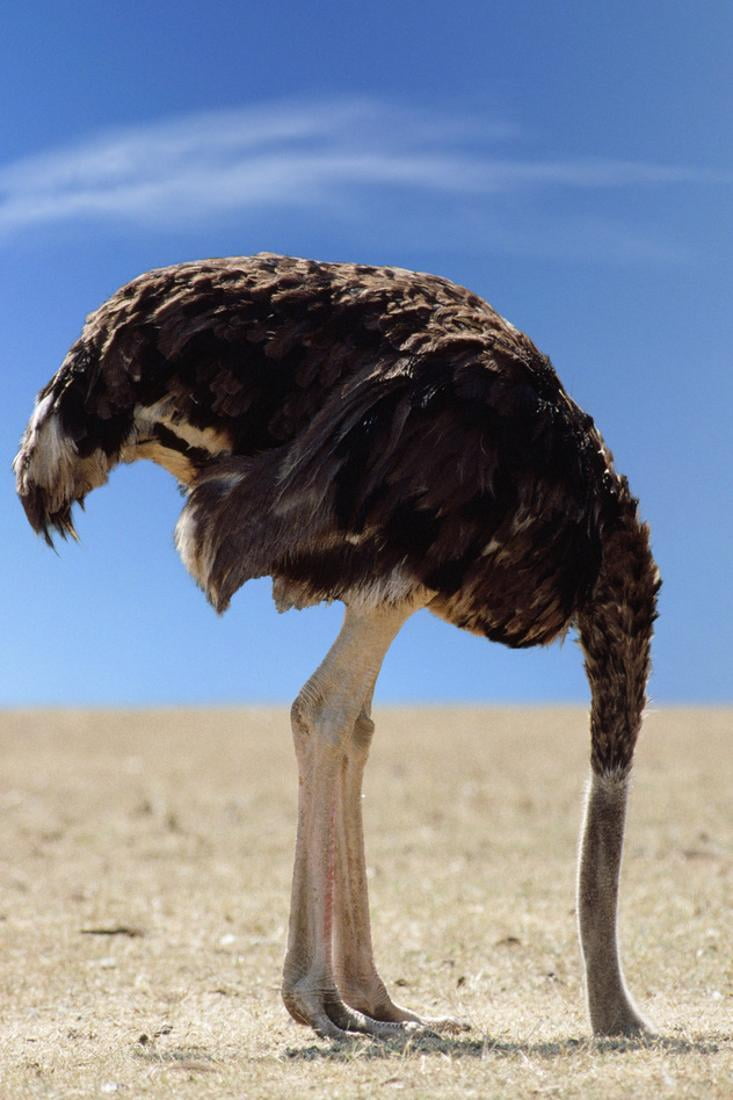
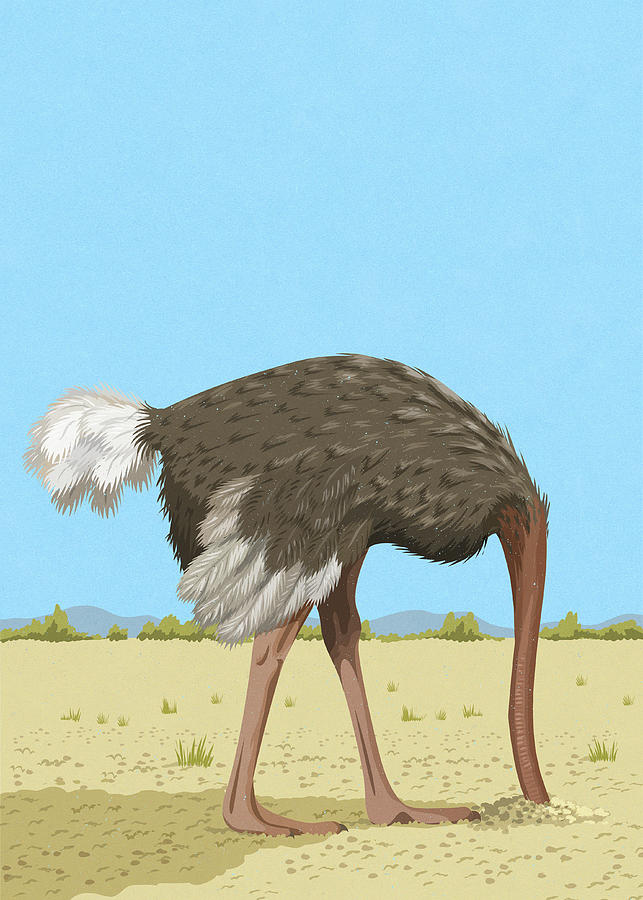
The myth of the ostrich head in sand behavior is that ostriches bury their heads in the sand to avoid danger, such as predators or a coming storm. The idea is that by burying their heads in the sand, they believe they are invisible and safe from harm.
The Truth
The truth is that ostriches do not bury their heads in the sand. In fact, they cannot physically do so because their necks are too short. When an ostrich senses danger, it will lie flat on the ground and stretch out its neck. This posture helps the ostrich blend in with its surroundings, making it harder for predators to spot it.

The Reasons Behind the Myth
The myth of the ostrich head in sand behavior likely originated from observations of ostriches lying flat on the ground with their necks stretched out. This posture may have been misinterpreted as the ostrich burying its head in the sand. Additionally, ostriches are known to use their beaks to dig shallow holes in the sand for their eggs. This behavior may have contributed to the misconception that ostriches bury their heads in the sand.

The Reality of Ostrich Behavior
Ostriches are flightless birds that are native to Africa. They are the largest living bird species and can weigh up to 400 pounds. Ostriches are social animals and live in groups called flocks. They are also known for their speed, with the ability to run up to 43 miles per hour.

The Ostrich’s Defense Mechanisms
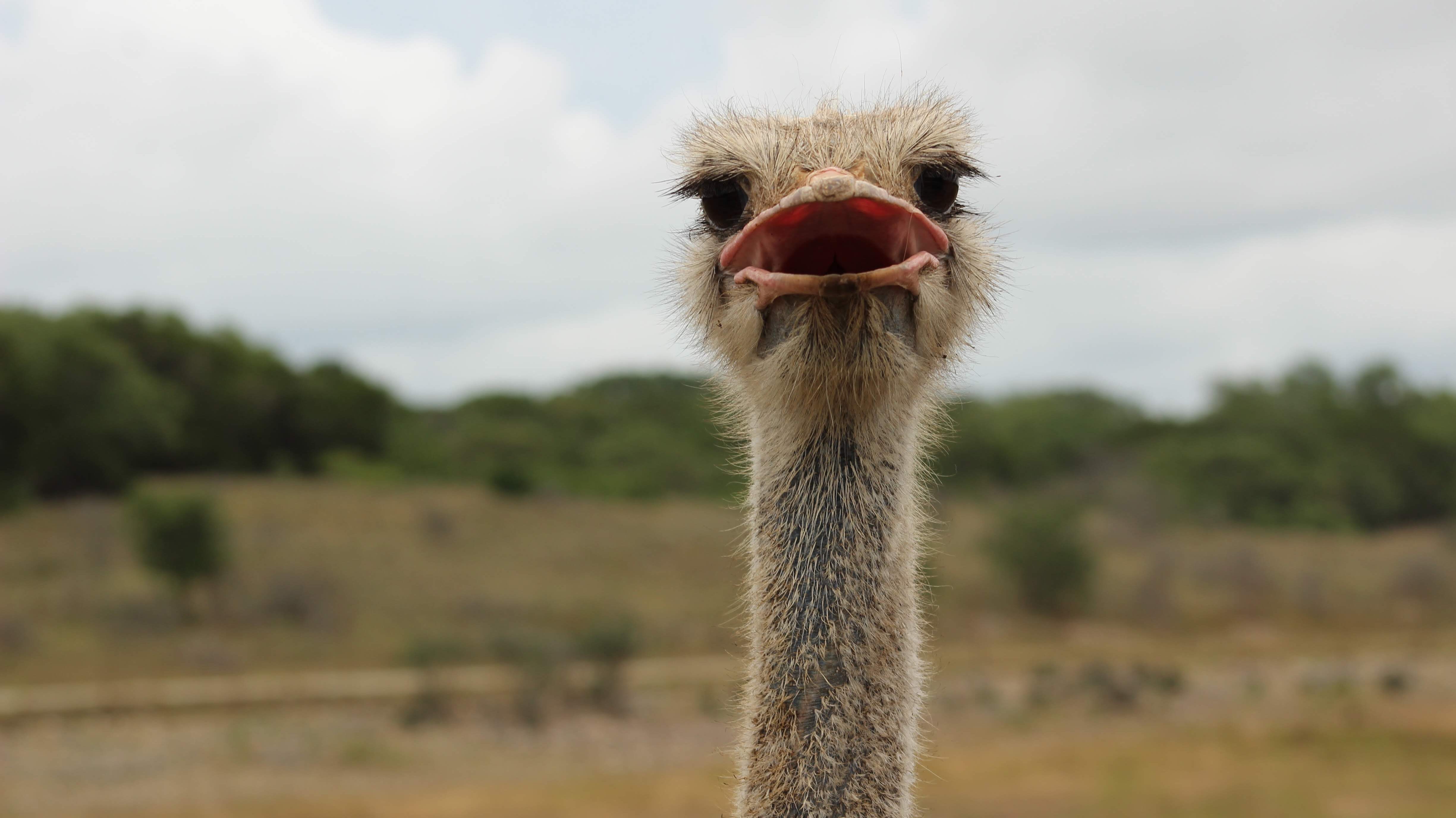
Ostriches have several defense mechanisms to protect themselves from predators. In addition to lying flat on the ground, they also have powerful kicks that can be deadly to predators. Ostriches also have excellent eyesight and hearing, allowing them to detect danger from a distance.
The Ostrich’s Diet
Ostriches are omnivores and eat a variety of plants and animals. Their diet includes grasses, leaves, seeds, insects, and small mammals. Ostriches have a unique digestive system that allows them to extract water from their food, allowing them to survive in arid environments.
Ostrich Farming
Ostrich farming has become a popular industry in many countries. Ostrich meat is considered a delicacy and is low in fat and high in protein. Ostrich feathers are also used for decoration and fashion. However, the farming of ostriches has been controversial due to concerns about animal welfare.

The Future of Ostriches
Ostriches are classified as “Least Concern” by the International Union for Conservation of Nature (IUCN). However, habitat loss and hunting have threatened ostrich populations in some areas. Conservation efforts are underway to protect ostriches and their habitats.

Conclusion
The myth of the ostrich head in sand behavior has been debunked. Ostriches do not bury their heads in the sand to avoid danger. Instead, they lie flat on the ground and stretch out their necks to blend in with their surroundings. Ostriches are fascinating animals with unique adaptations for survival. As we continue to learn more about ostriches and their behavior, we can better appreciate these magnificent birds.