
It's summertime and the beaches are packed with people enjoying the sun and the sea. However, there is a danger lurking in the water that many people are not aware of: jellyfish. These seemingly harmless creatures can cause painful stings that can ruin your day at the beach. In this article, we will discuss what jellyfish are, why they sting, and how you can protect yourself from their painful stings.
What are jellyfish?
:max_bytes(150000):strip_icc()/jellyfish-sting-erin-56a2f4995f9b58b7d0cfdc60.jpg)
Jellyfish are aquatic creatures that belong to the phylum Cnidaria. They are found in all the world's oceans and come in a variety of shapes and sizes. Jellyfish are not actually fish; they are invertebrates, which means they have no backbone.
Jellyfish have a bell-shaped body with tentacles hanging down from the bottom. These tentacles are used to capture prey, which consists mostly of small fish and plankton. The tentacles contain stinging cells called nematocysts, which are used to immobilize prey and defend against predators.
Why do jellyfish sting?

Jellyfish sting as a means of self-defense. When a predator or other threat comes into contact with a jellyfish's tentacles, the nematocysts fire, injecting venom into the target. This venom can cause a variety of symptoms, including pain, itching, swelling, and even respiratory or cardiac distress in severe cases.
How to protect yourself from jellyfish stings?

If you want to avoid getting stung by jellyfish, there are a few things you can do. First, pay attention to any warning signs or flags posted at the beach. These signs will alert you to any jellyfish or other hazards in the water.
Secondly, consider wearing protective clothing, such as a wetsuit or rash guard. These garments can help protect your skin from jellyfish tentacles.
Finally, if you do get stung by a jellyfish, there are several treatment options available. The first thing you should do is rinse the affected area with vinegar, which can help neutralize the venom. You can also use a credit card or similar object to scrape away any remaining tentacles. Applying heat or cold to the sting can also help alleviate pain and swelling.
The most common jellyfish species that sting people

There are many species of jellyfish in the world, but only a few of them commonly sting humans. Here are some of the most common jellyfish species that you should be aware of:
1. Box jellyfish: These are some of the most venomous jellyfish in the world and are found primarily in the waters around Australia and Southeast Asia.
2. Portuguese man o' war: This jellyfish is not actually a single organism, but a colony of individual creatures working together. They are found in the Atlantic and Pacific oceans and can deliver a painful sting even after they are dead.
3. Sea nettle: These jellyfish are found in the waters off the east coast of the United States and can deliver a painful sting that can last for several hours.
The danger of jellyfish stings
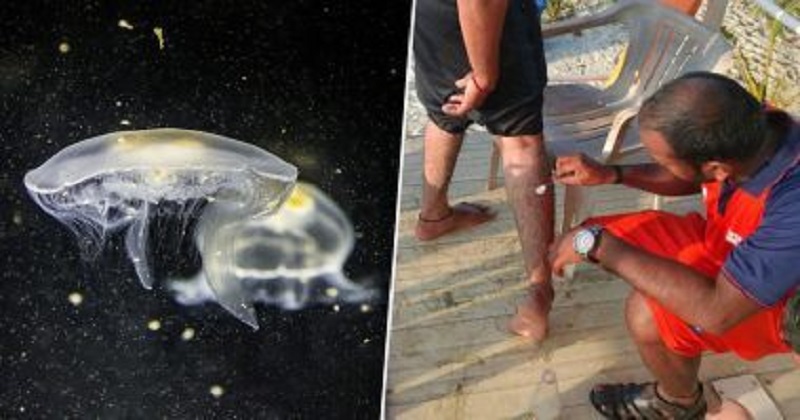
While most jellyfish stings are not life-threatening, some species can cause serious harm. For example, the box jellyfish can cause cardiac arrest and death in just a few minutes.
Even less dangerous species can cause significant discomfort, including pain, itching, swelling, and even scarring in some cases. In addition, some people may have an allergic reaction to jellyfish venom, which can be life-threatening in severe cases.
Conclusion
Jellyfish stings are a real danger for anyone who loves spending time at the beach. By understanding what jellyfish are, why they sting, and how to protect yourself, you can ensure that your next trip to the beach is a safe and enjoyable one.